Sample No. 0248
Make a Fall Nature Walk More Fun With a Printable Scavenger Hunt
Print a one-page autumn scavenger hunt for kids, then explore outdoors, at home or across several days as you look for the listed items.
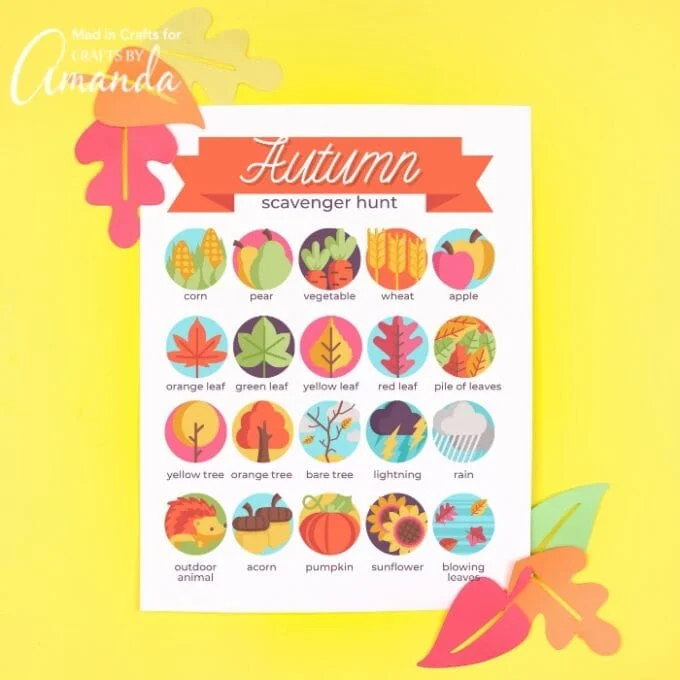
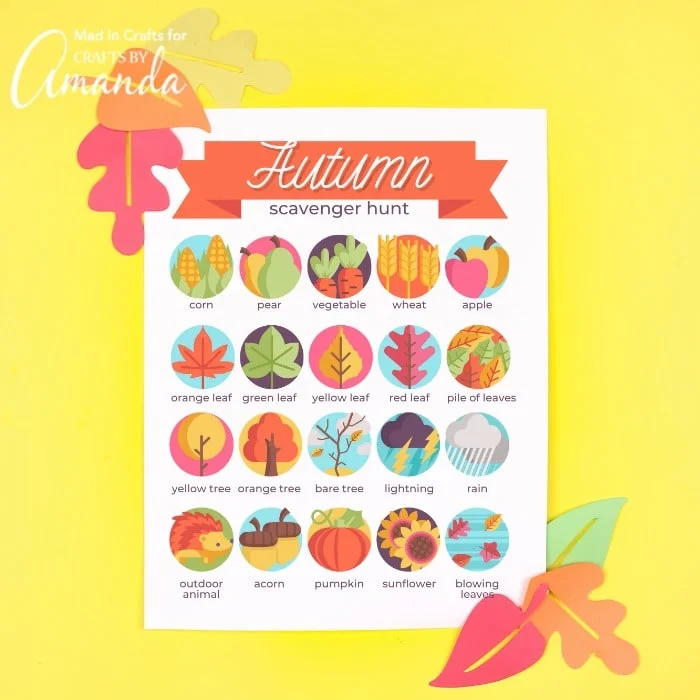
A fall scavenger hunt gives kids a reason to slow down and notice what’s around them. Print the one-page checklist, take it along on a nature walk, and cross off each item as you find it. The activity is flexible: play in one outing, stretch it across a week, or adapt the search for places where autumn looks different. That flexibility matters because a checklist can turn a familiar walk into a shared activity without requiring special equipment or a tightly planned route.
Choose a way to play
There’s no single set of rules to follow. Before you head out, decide whether everyone will search together or compete to see who can spot the most items. For a friendly contest, the person who finds the most can earn a small fall themed treat or a craft. The source suggests cider and donuts, or a jar of Pumpkin Slime. A cooperative version works just as well: participants can help one another find each item, then share the satisfaction of completing the list.
You can also make the activity last longer than one walk. Keep the checklist handy for a week and mark off discoveries as they happen. That gives participants more chances to find all twenty items, and lets the hunt fit around your schedule instead of requiring one long outing. It also changes the pace of the activity: children can revisit the list with fresh attention, noticing details they might have passed over on a first walk.
Where leaves don’t change color, adjust where you search. The source suggests looking for listed items in books or TV shows, so children can still take part even if those signs of autumn aren’t visible nearby. The goal is to spot the items on the sheet; the setting can vary. That adaptation keeps the activity open to different climates and routines, though it may help to agree in advance on what counts as a find when the search moves indoors or onto a screen.
Print the checklist
- Fall Scavenger Hunt PDF
- Color printer
- Printer paper
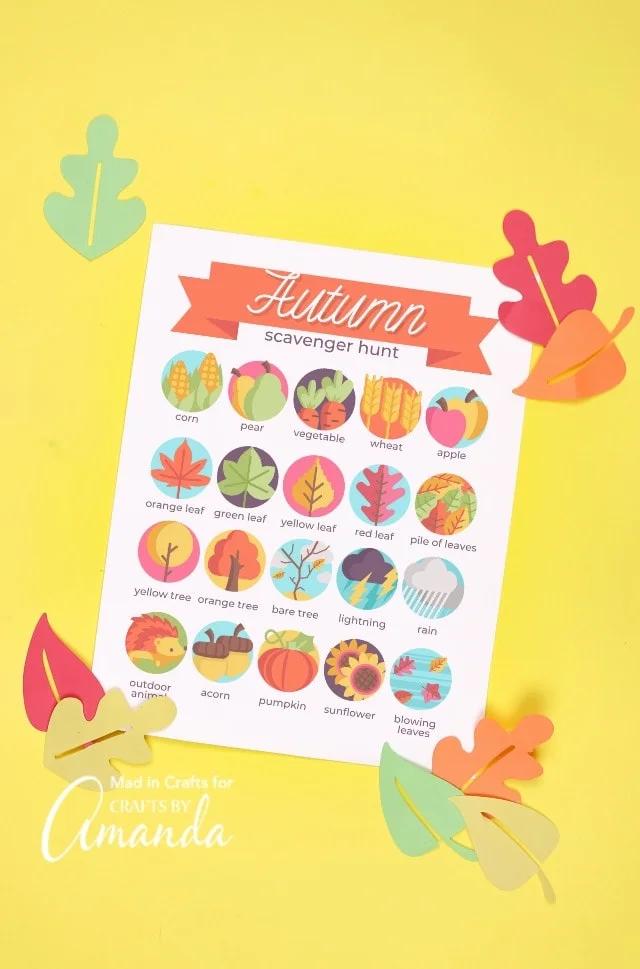
Download the single-page PDF to your computer and load the printer with paper. Select the highest quality print setting, then print one copy for each person taking part. Once everyone has a sheet, bring the lists along and cross off each item as it’s spotted. Printing a separate copy gives each participant a clear record of their own finds; if the group prefers to work as a team, one shared sheet can make it easier to keep track together.


Keep the outing easy to follow
Set the ground rules before the search starts: decide whether the group will stay together, how long you’ll look, and whether the checklist will be used in a single outing or over several days. These choices help everyone understand how to play while leaving plenty of room to follow an interesting find or change the pace. A simple plan can prevent small disagreements about turns, scoring, or when the hunt is finished from taking attention away from the walk itself.
For a group, giving each participant a copy makes it simple for everyone to mark their own discoveries. If you’re searching together, one shared list can keep the activity focused. The original directions call for one printed sheet per participant and crossing items off as you find them, so the hunt needs little preparation beyond printing. The practical choice depends on the group: individual sheets suit a contest, while a shared sheet invites conversation and collective searching.
A small prize can add a playful finish, but the hunt also works as a simple observation game. You can decide what counts as a find and whether the aim is to complete the full list or collect the most discoveries. If you spread the search across a week, keep the sheets where participants can return to them and record new finds. The numbers here are underwhelming only if the checklist is treated as a scorecard; the more interesting part is how it gives children a reason to look closely at familiar surroundings (and this is the part most people overlook).
Let the checklist guide attention
A scavenger hunt can give a walk a loose structure without turning it into a lesson. Children have a reason to pause, compare what they see with the list, and talk about what they’ve found. Some items may appear quickly, while others take patience or a change in route. That unevenness is part of the activity. A moment of searching.
If you’re working with younger children, you can help by reading items aloud or searching together, while older participants may enjoy keeping their own sheets. You don’t need to turn each discovery into a quiz or explain every detail; a question about where something was spotted can be enough to keep attention on the surroundings. The hunt is simple, but that simplicity leaves room for children to set the pace and follow their curiosity.
More printable activities
If you’d like another seasonal activity after the hunt, try these related printables. They range from seasonal table decorations to games and small Halloween projects, so you can choose a format that suits the time and materials you have. That said, a printable is most useful when it fits the occasion: a short game may suit a gathering, while a placemat or utensil holder can become part of a meal.
- Thanksgiving Placemat Printables
- Printable Summer Scavenger Hunt
- Spring Scavenger Hunt
- Printable Thanksgiving Utensil Holders
- Printable Monster Stickers for Halloween
- Halloween Bingo
Browse the full collection of free printables for more projects and activities. For an autumn treat to enjoy after the search, the source also recommends this Pumpkin Spice Cream Pie recipe. These links offer ways to carry the seasonal theme into another activity or a meal, though the scavenger hunt itself doesn’t need an elaborate ending.
The printable was shared by Jessica Hill of Mad in Crafts. Print a sheet for each participant, choose a search plan, and let the discoveries shape your fall outing. The list provides a starting point; the most memorable part may be the pause it creates along the way.