Sample No. 0263
Gunter’s Chain and the History of Measuring Land
Gunter’s chain turned distance into practical land measurements. Its history also shows why traditional woodworkers relied on direct layout tools instead.
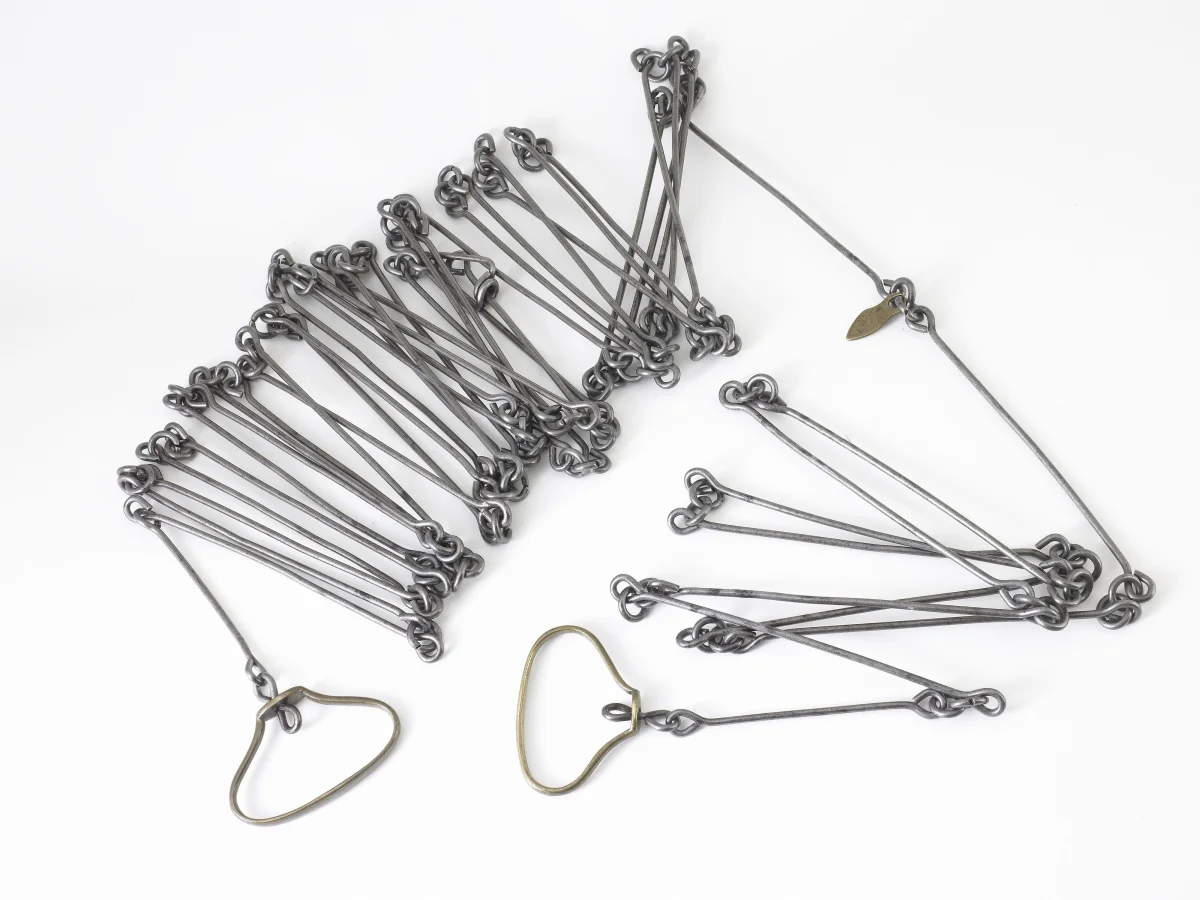
Gunter’s chain made long distance and land area easier to measure with the same tool. Its lasting appeal lies in that useful connection: a fixed length of chain could help surveyors record distances and calculate acreage through a system designed for the work.

A chain built around useful numbers
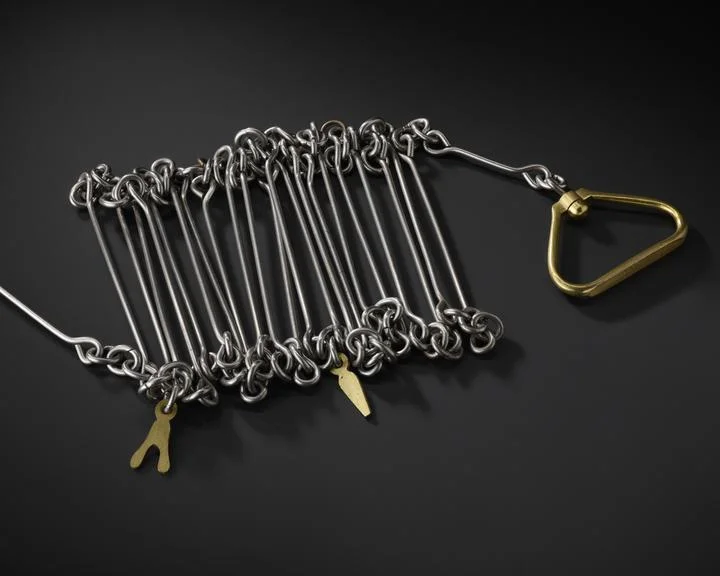
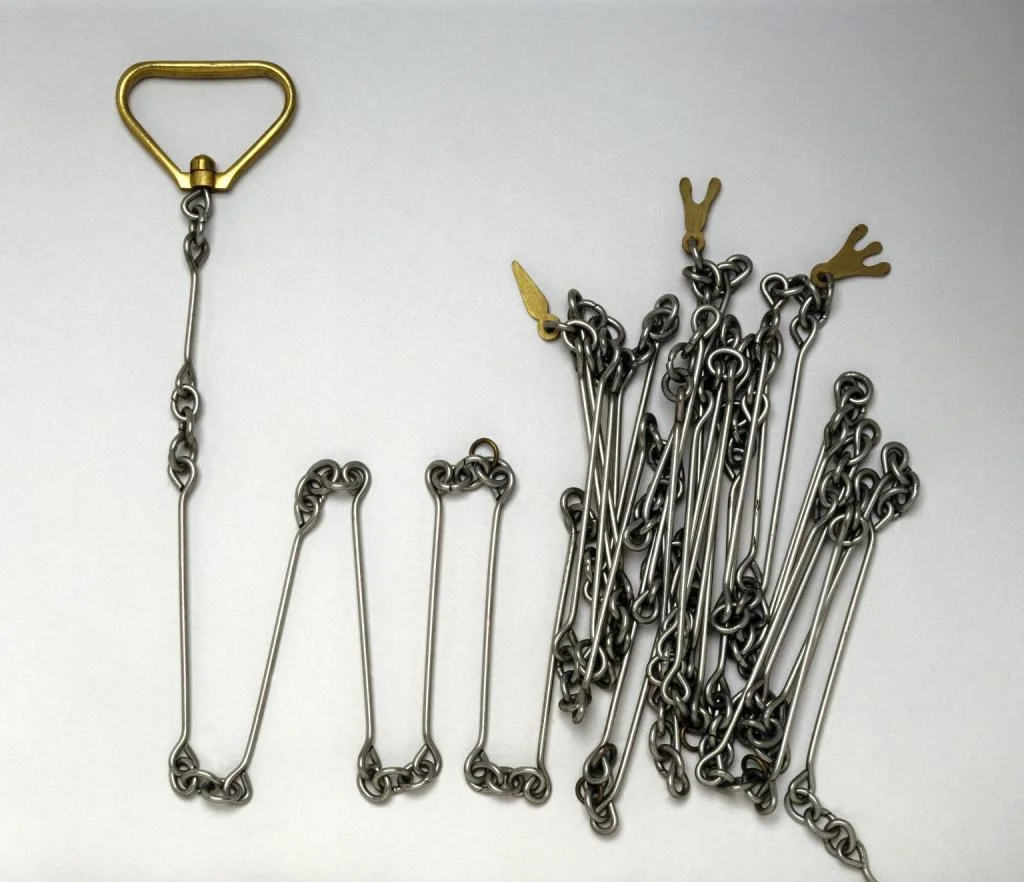
English mathematician Edmund Gunter introduced his chain around 1620, primarily for surveying land. The chain measured 66 feet and consisted of 100 individual links, each 7.92 inches long. Brass markers, also called tallies, identified intervals along its length so surveyors could follow progress without counting every link as they worked.
The chain’s dimensions fit neatly into the calculations surveyors needed to make. Eighty chains equaled one statute mile, and ten square chains equaled one acre. That relationship made the instrument useful for recording a boundary and estimating the area enclosed by measured lines. The chain’s length was therefore more than a convenient span: it formed part of a practical measuring system.
For work across open ground, the design had clear advantages. A surveyor could stretch the chain between points, keep track of completed lengths by reading the markers, and use the resulting measurements in land calculations. The numbered intervals reduced the need to tally each small link repeatedly. That mattered when measuring long distances, where losing count could make the final result unreliable.
How the instrument worked in the field
Measuring chains were made from interconnected iron links, usually with handles at both ends. The handles gave surveyors a place to grip the chain as they extended it between points. Brass tallies set at regular intervals acted as visible reference marks. Together, the links, handles and markers made a straightforward tool suited to outdoor measuring.
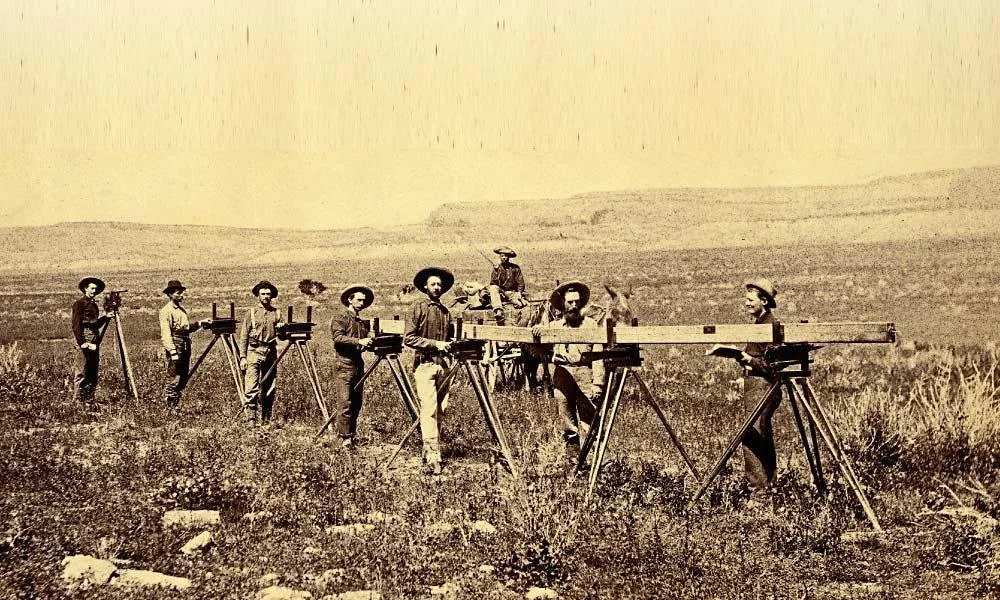
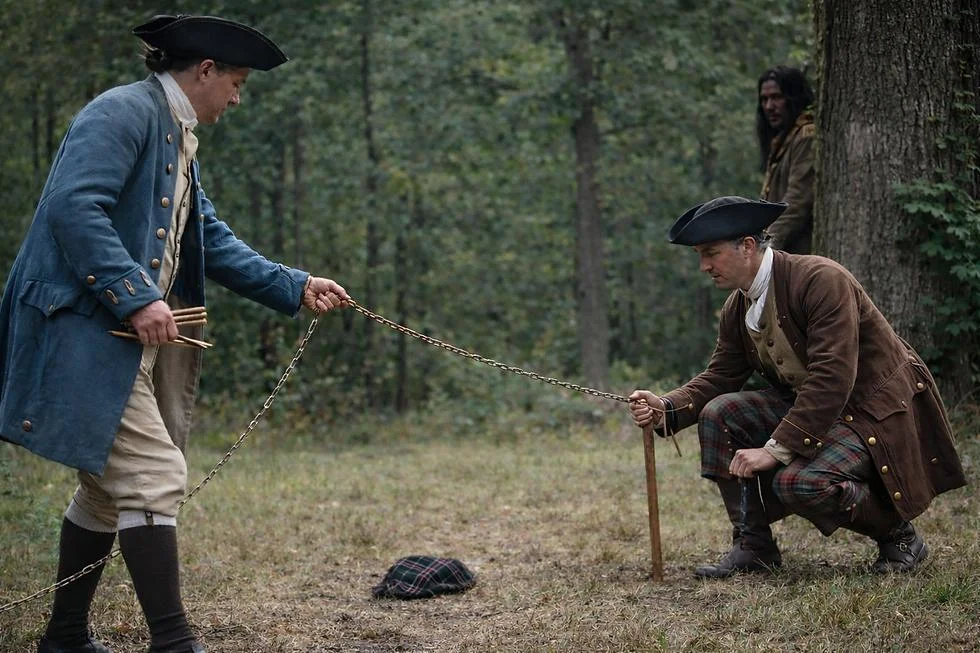
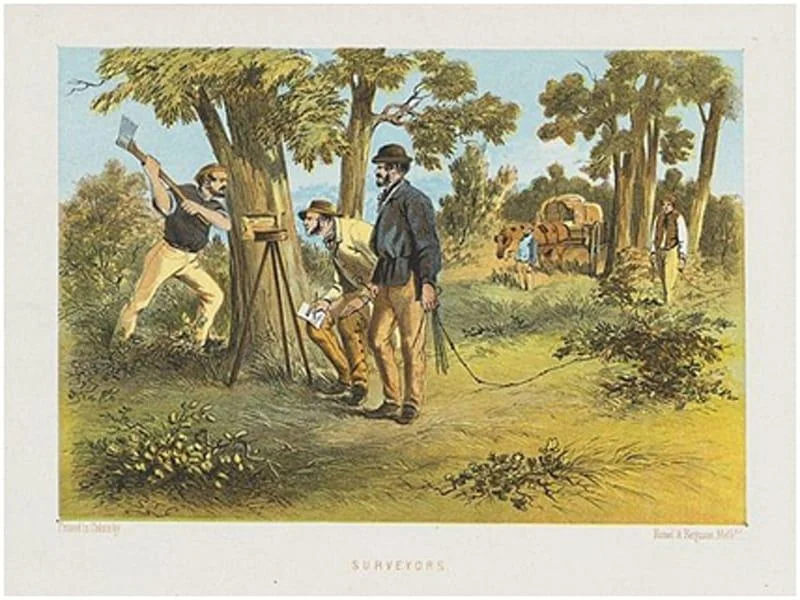
Surveyors using measuring chains to establish distances and boundaries before modern surveying equipment.
The tallies gave the person handling the chain a way to mark progress at a glance. Instead of counting every link, a surveyor could use the brass markers to identify a known interval and keep a running measure. The arrangement shows how a small feature of the tool supported accuracy over a much larger distance.
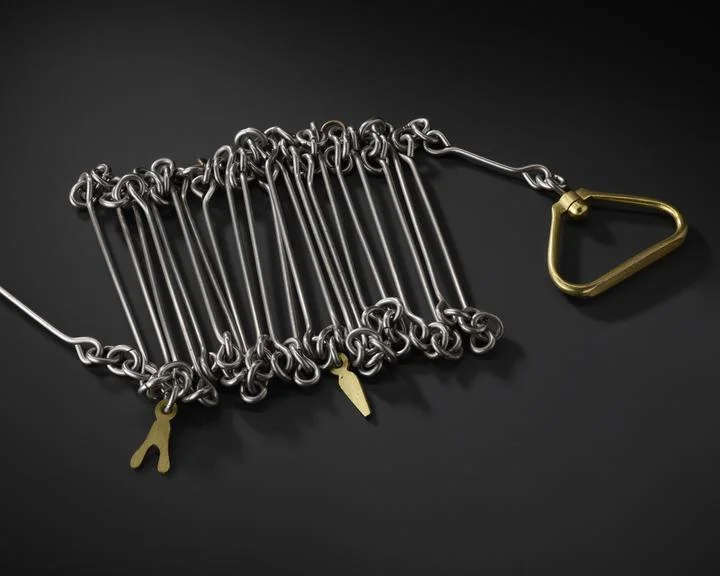
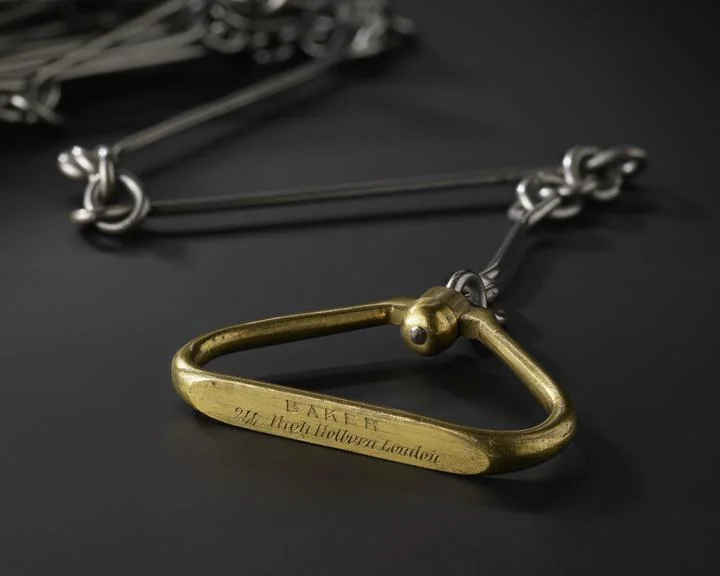

Brass tallies identified intervals along the chain and helped surveyors keep track of measurements.
Surveying chains and woodworking layout
A chain might seem like a natural tool for furniture making, where setting out dimensions and transferring measurements are routine tasks. But the evidence described for traditional woodworking points to a different set of tools. Gunter’s chain, or a comparable standardized metal chain, does not appear to have been in regular use for furniture making.
Joiners and cabinetmakers could use wooden rules, dividers, compasses, straightedges and measuring cords to lay out their work. A story stick offered another useful method: a maker could record a set of dimensions on a separate stick, then transfer those marks directly to components. This helped keep related parts consistent without returning to a graduated rule for every measurement.
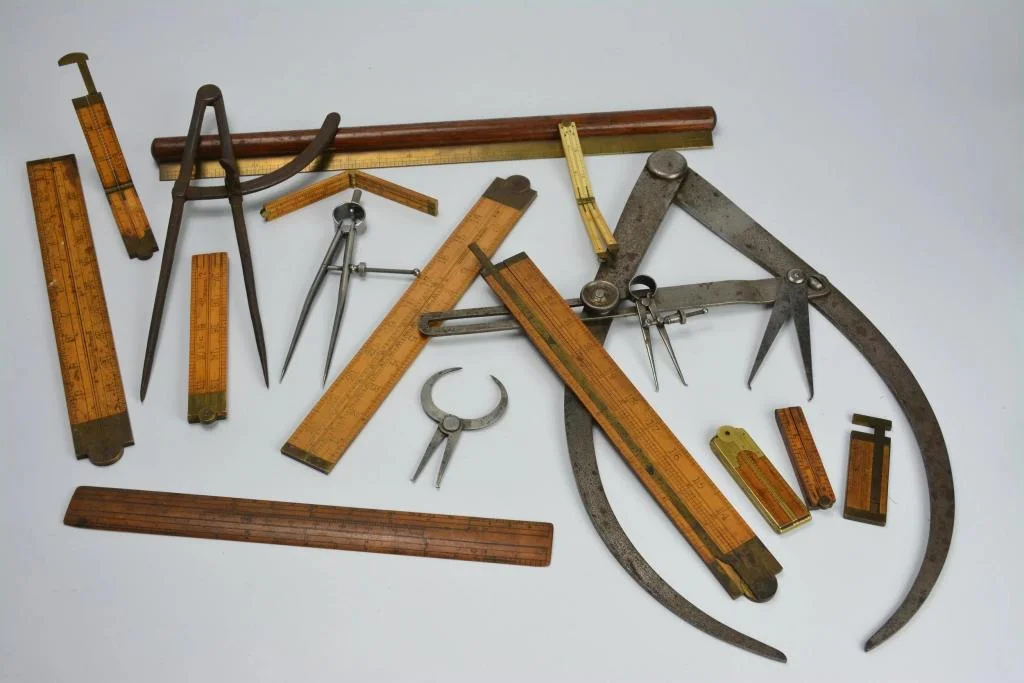
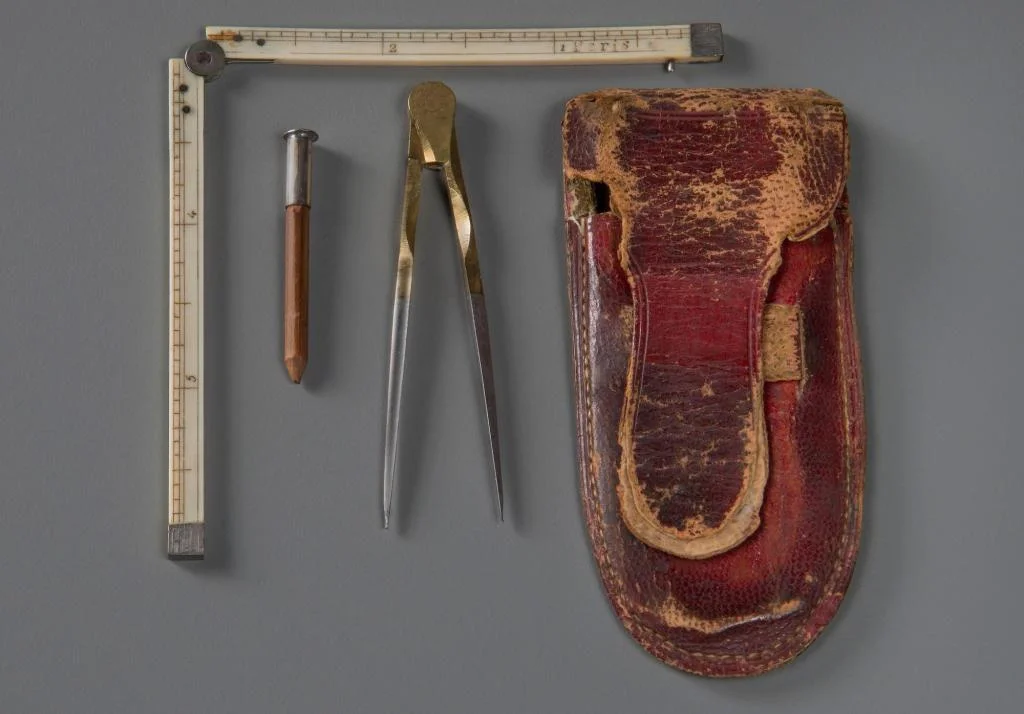
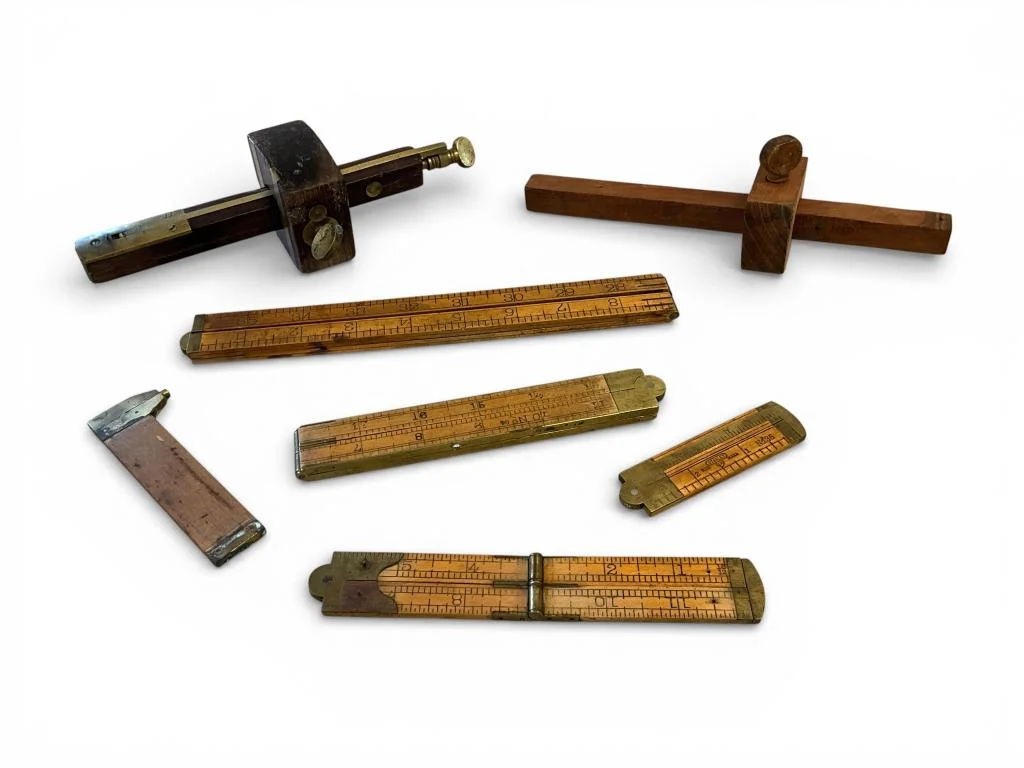
Traditional woodworking relied on rules, dividers and direct transfer of measurements rather than surveying chains.
That approach reflects a distinction between measuring a site and fitting a piece of work. A surveyor often needed a numerical record of distances across a broad area. A woodworker might care more that one component matched another precisely. Direct transfer can keep the relationship between parts clear even when the maker does not need to state every dimension as a number.
Other trades and a lasting idea
Measuring chains also had a place in the timber and firewood trades, where standard quantities mattered when material was bought and sold. Those uses belonged to commercial measurement. They do not establish the chain as a common tool for fine furniture work, where other layout methods served the maker’s needs.
Gunter’s chain remains a revealing example of how tool design can support a particular kind of work. Its 66-foot length, 100 links and brass interval markers worked together with the relationships between chains, miles and acres. The system helped make land measurement manageable over distances far beyond the reach of a rule.
Modern measuring instruments have changed the tools available to makers and surveyors, but the underlying tasks remain familiar: establish a reference, transfer a dimension and keep related measurements consistent. The chain’s history is a reminder that good measurement depends not only on a tool’s precision, but also on how well its design fits the work at hand.