Sample No. 0256
A Shooting Board for More Accurate Hand Tool Woodworking
Use a shooting board to fine-tune dimensions, reduce end-grain tear-out and cut accurate mitres with a hand plane.
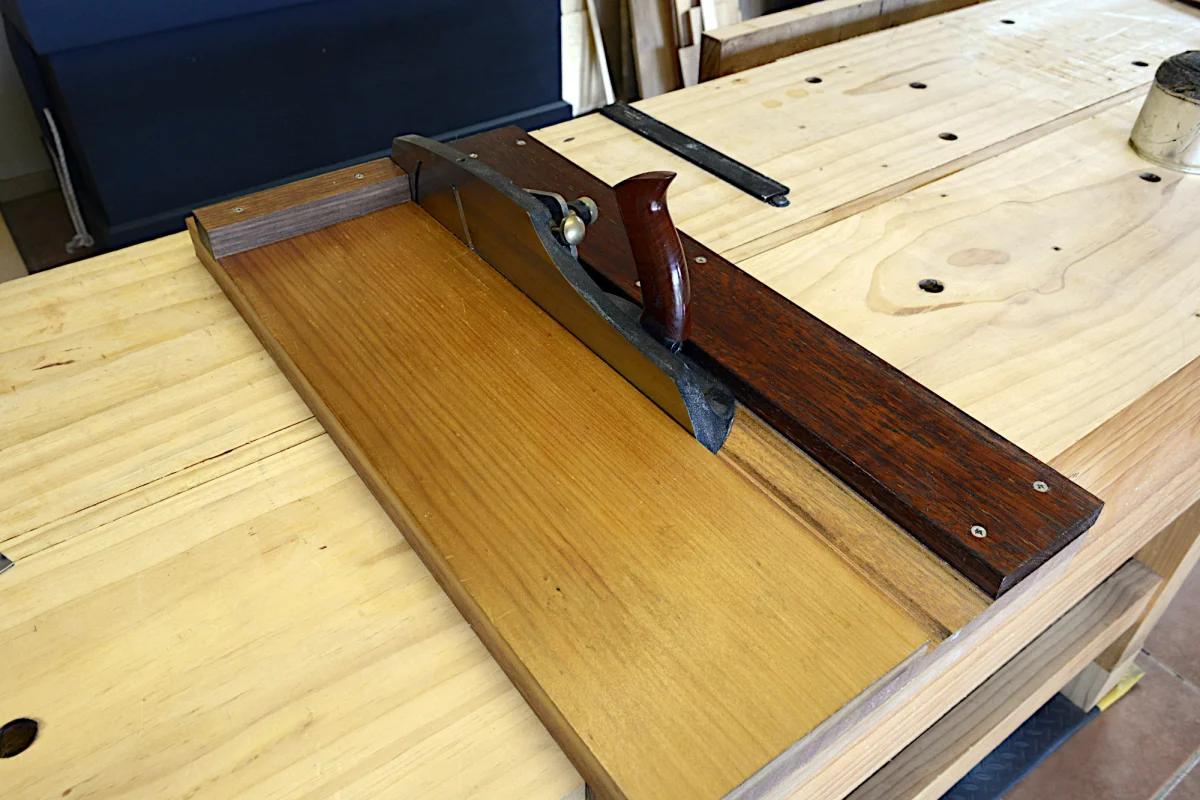
A shooting board makes hand-tool work more repeatable, especially when a joint depends on a square end, a precise length or a clean mitre. It holds timber at a set angle and guides a hand plane on its side, so you can take controlled shavings without relying entirely on freehand skill.
That control matters when a small error can leave a visible gap or send a piece to the scrap pile. Squaring a board by hand takes practice: correcting one side can leave the other out of square, or make the piece too short. A shooting board gives the plane a consistent reference for accurate, repeatable cuts.
Three jobs where it earns its place
Fine adjustments to length. The advice to cut wide of a line and plane down to it is easier to follow with a shooting board. A plane can take shavings as fine as one thousandth of an inch, letting you trim a drawer front or box side gradually until it fits snugly. That controlled approach reduces guesswork as you work toward the finished dimension.
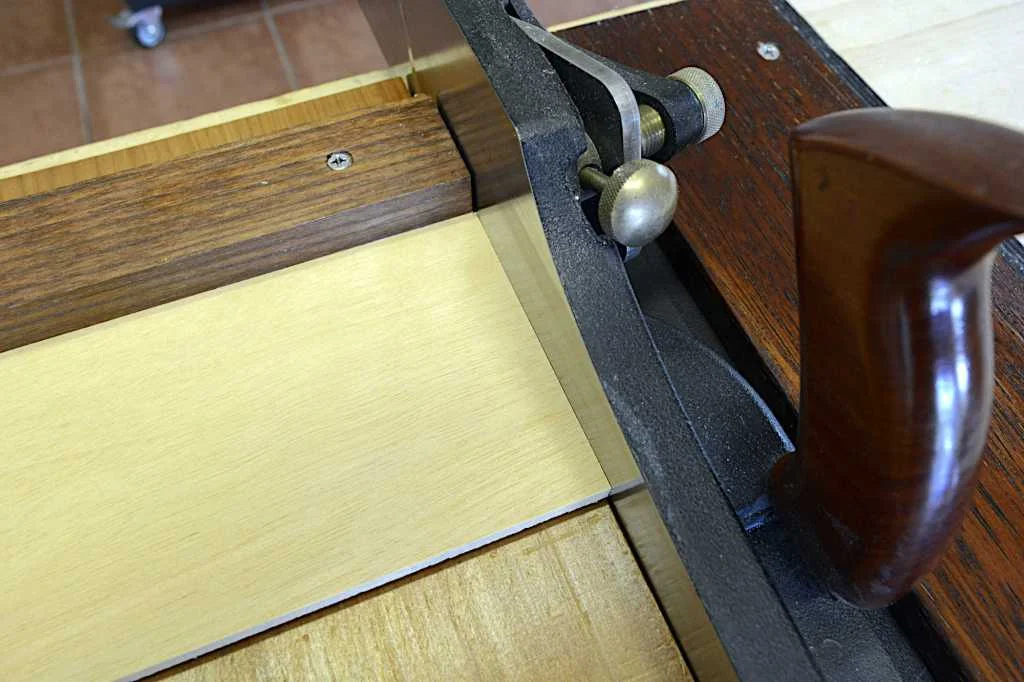
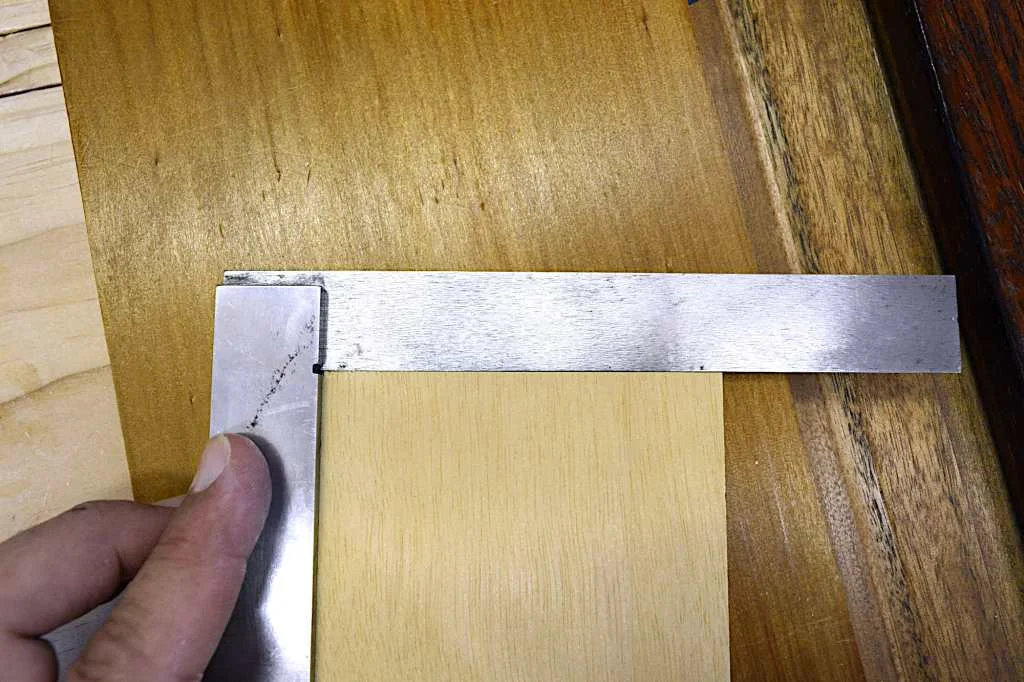
Cleaner end grain. When a plane exits the far edge of a board, it can break out fibres at the back corner. A shooting board’s sacrificial fence supports those fibres and helps keep the cut crisp. Over time, though, the fence can become too worn or damaged to support the work as well as it did when new.
To reduce chipping in that situation, turn the workpiece end for end and plane a little from the opposite end until you’re close to the marked line. Then turn it back and finish the cut toward the line, with the far corner supported.
Accurate mitres. Small angle errors add up around picture frames, boxes and decorative trim, leaving gaps when the corners meet. A 45 degree fence lets you plane mitres to a consistent angle. The source describes the resulting joints as tight enough to need very little clamping pressure during glue-up.
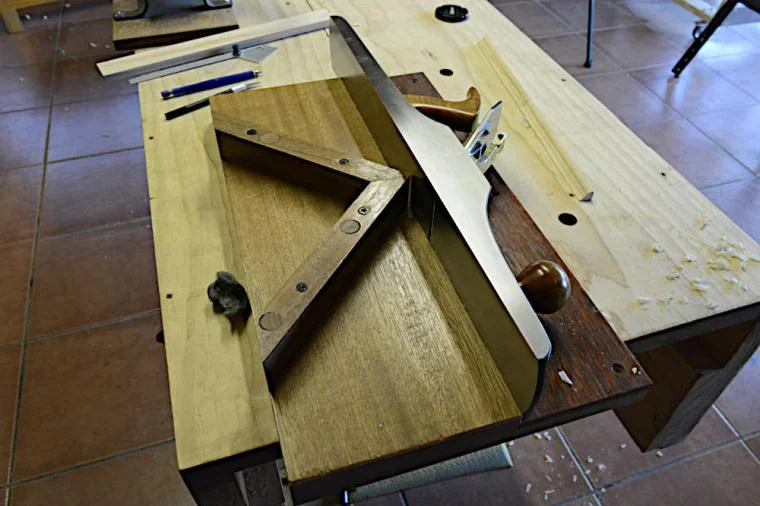
Choosing or making a board
A shooting board may see less use in a workshop built around a well-tuned table saw, crosscut sled and mitre saw. Even so, power tools can leave their own challenges: blades may deflect, wood can burn, and removing a tiny amount safely can be difficult without a fine-adjustment fence such as an Incra. A shooting board gives you a way to control those last small corrections.
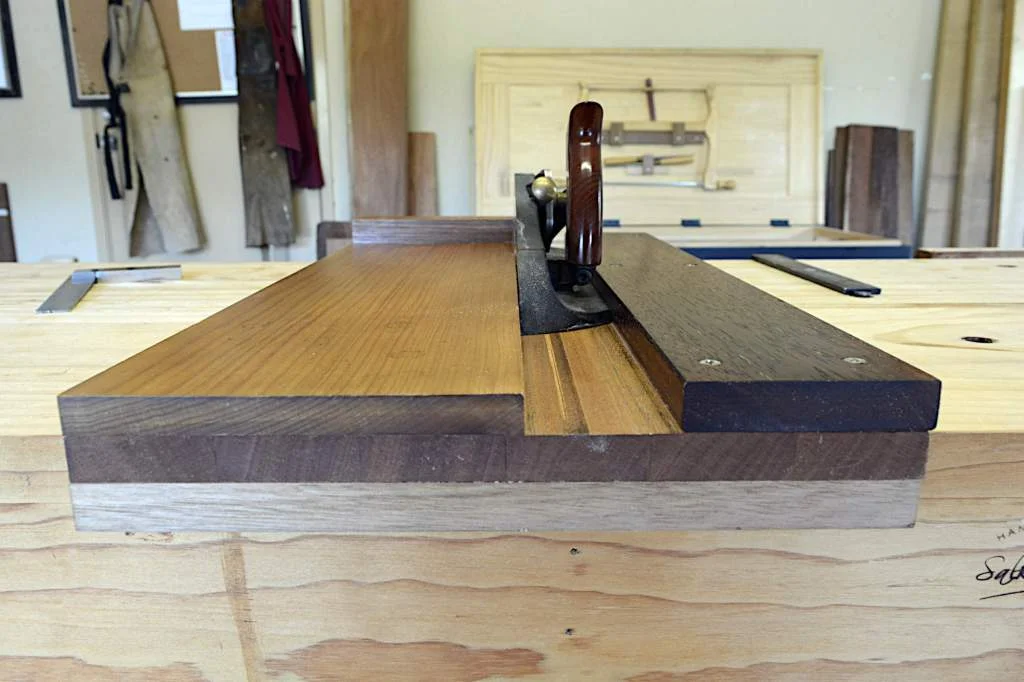
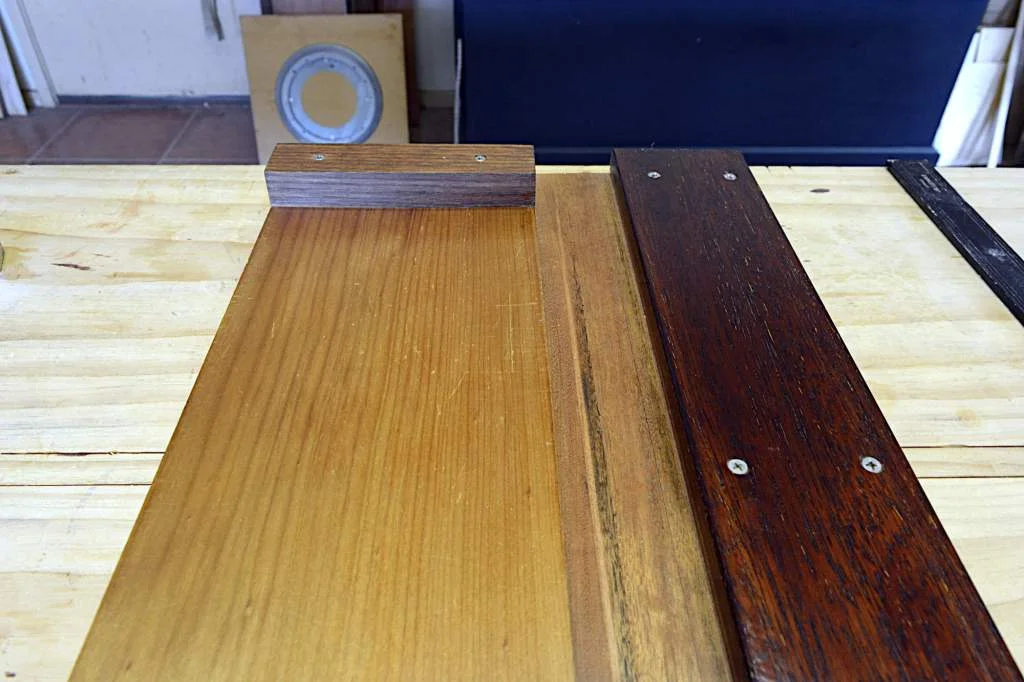
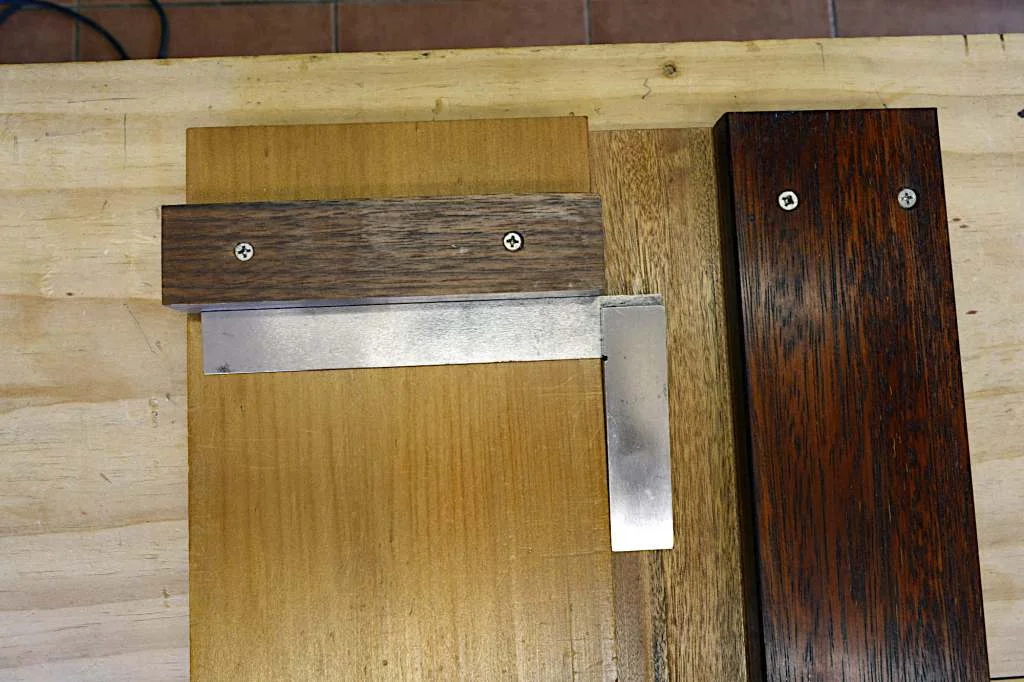
Commercial boards are available, and the Stanley all-metal antique example is praised by the maker but described as very expensive. A high-performing board can also be made in about 20 minutes from stable scrap material such as flat plywood. The author prefers quarter-sawn oak and other quarter-sawn materials for stability, while noting that a solid-wood version takes considerably longer to build. A board can be made with or without a fence; the author’s includes a hard-wearing fence because they own a shooting plane.
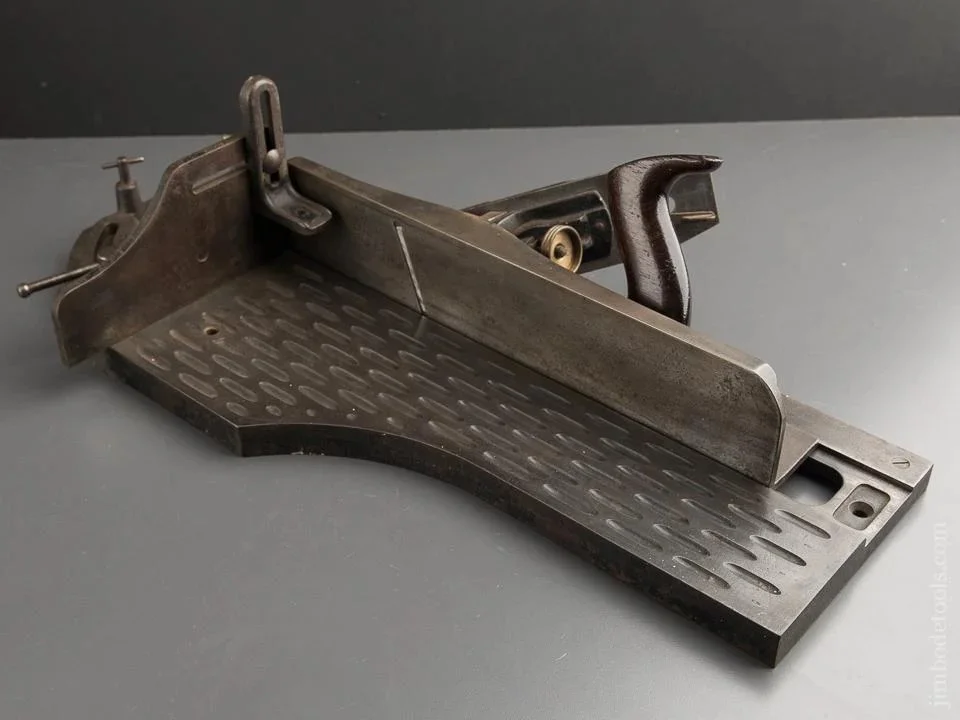
Keep the plane track clean and the board steady
Skip paste wax on the track. It may help the plane glide briefly, but it can leave residue on both the track and the plane. A properly made board should let the plane move without wax.
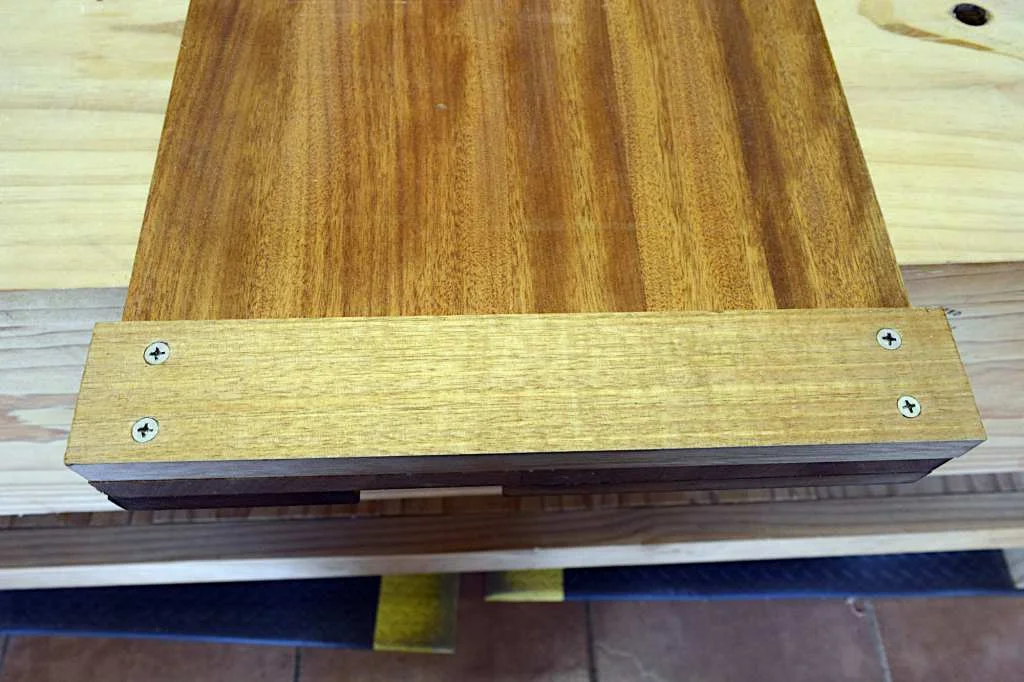
A small cleat or hook screwed to the underside helps keep the board from sliding. Set it against the front edge of the workbench, much like a bench hook, before pushing the plane.
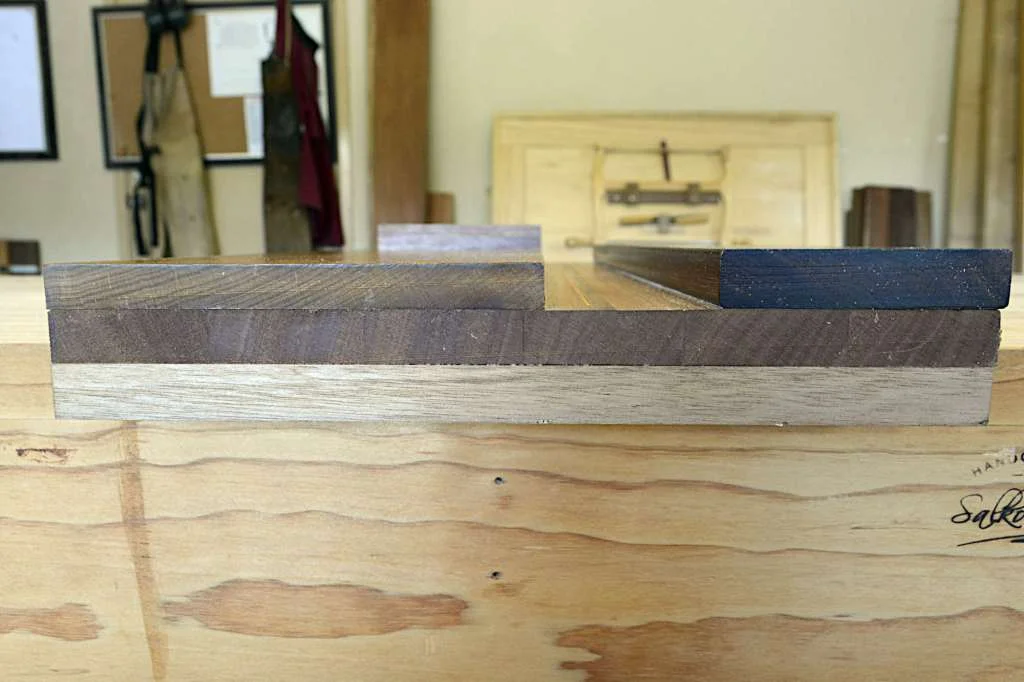
The maker likes a board to look good as well as work well. They recently sold one of two boards they had made; the remaining board is considerably longer, which helps when planing the edges of jewellery boxes. It requires a slight lean to use, a trade-off the maker accepts for its added reach. The planned build guide will have to wait until another board is made, since the earlier builds were completed about six months ago and the maker no longer has process pictures.
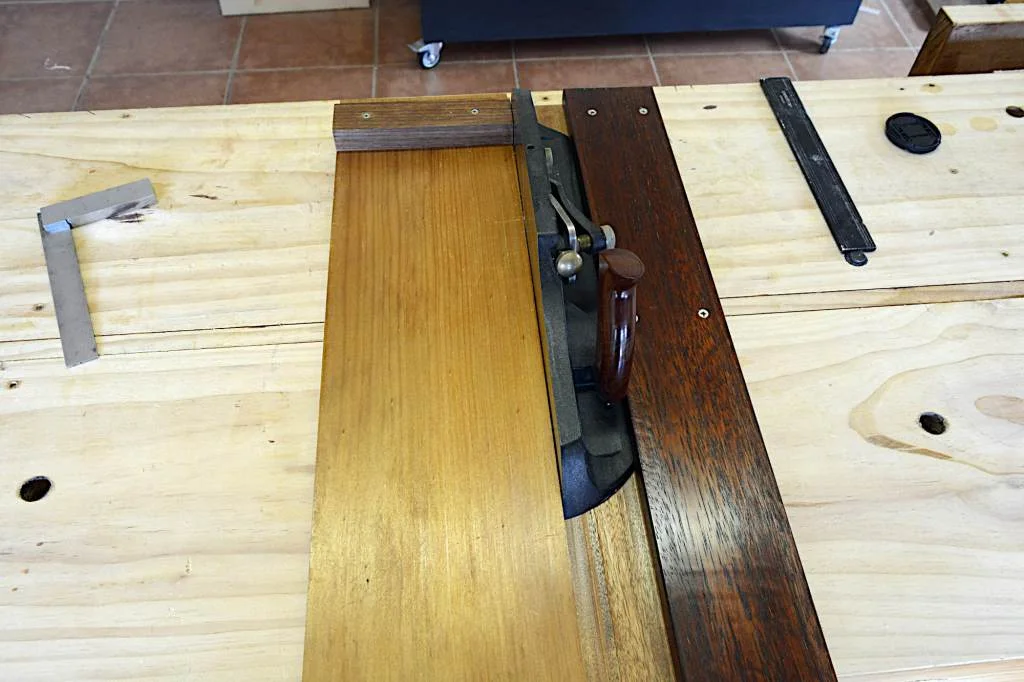
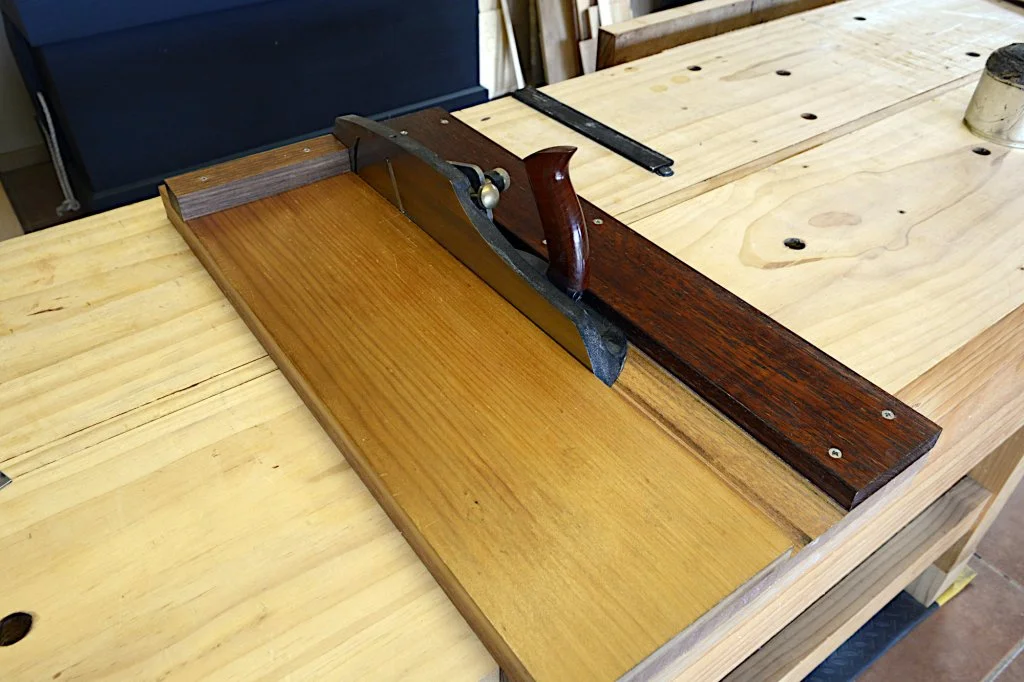
A workshop aid is part of the craft
Using a guide doesn’t diminish woodworking skill. The author can plane an edge freehand after years of regular practice, but says the shooting board does the same job in half the time and with greater accuracy. Japanese artisans also use guides and shooting boards for demanding joinery, including mitred dovetails. A well-chosen aid helps you reach the result you want; the practical takeaway is simple: use a shooting board when accuracy and control matter.