Sample No. 0255
Australian Toolmaking: From Colonial Blacksmiths to Today’s Handcrafted Tools
From scarce tools in the early colony to today’s small workshops, Australian makers have kept toolmaking skills alive through changing times.

Australian toolmaking has changed scale and materials over more than two centuries, but the need to make and maintain useful tools has never quite gone away. Today’s small makers and craftspeople work in the wake of a once larger industry, carrying forward skills that began as a practical answer to a shortage.
Making tools was an early necessity
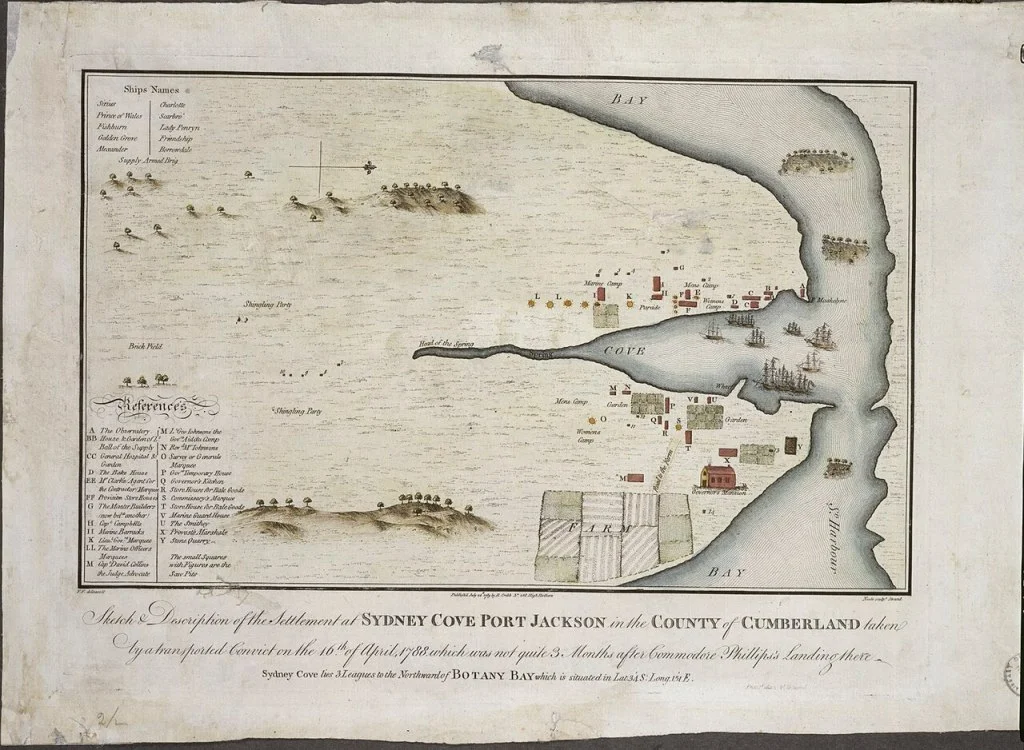
When the First Fleet arrived in Australia in 1788, its tools were needed for the work of establishing a colony: clearing land, building shelters and constructing settlements. Yet the imported axes, spades and shovels were soon criticized for their poor condition. With England months away by sea, replacing worn or inadequate equipment could not be treated as a quick fix.
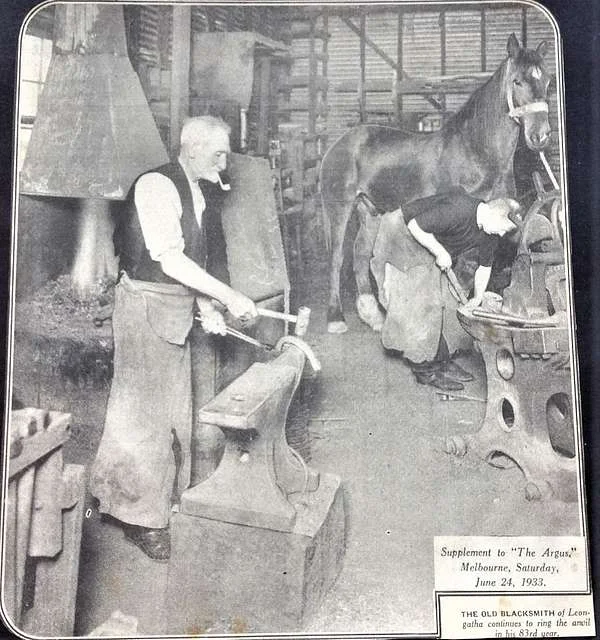
Local blacksmiths became essential. They made and repaired tools so that work could continue, even as demand outstripped what the colony’s tradespeople could supply. Local production was underway by 1792. By 1797, records listed 230 axes made by blacksmiths and other tradesmen, as well as numerous other tools.
For many English tradesmen, making and maintaining personal tools was already part of working life. In Australia, that habit took on added importance: imported supplies could not cover every need, and local repair helped extend the usefulness of equipment already on hand. The early story of toolmaking here is therefore as much about keeping tools working as it is about producing new ones.
Local materials shaped the work
As the colony grew through the nineteenth century, so did the market for tools. Merchants sold imported tools under their own names, and some arranged for English manufacturers to mark tools with those names before shipping them. These labels formed part of the early Australian tool trade, although most of the businesses associated with them eventually vanished.
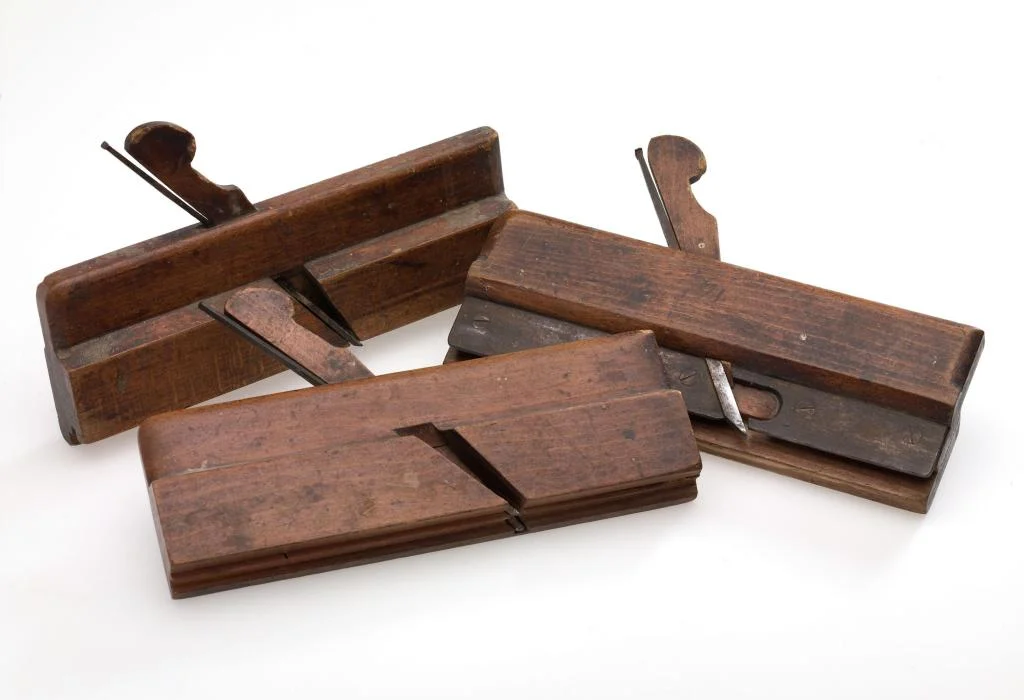
Toolmaking also took place locally. Plane makers were relatively few, and wooden planes brought a particular material challenge. Makers had to use timbers available in Australia rather than depend on English beech, which was not readily obtainable. That meant local work was shaped by the resources at hand, as well as by the skills of the person at the bench.
A manufacturing industry grows, then contracts
The years after the Second World War brought a major expansion in Australia’s construction industry. Returning servicemen, population growth and demand for new homes created a strong need for tools. Australian manufacturers helped meet it, and locally made tools became an important part of the country’s manufacturing industry.
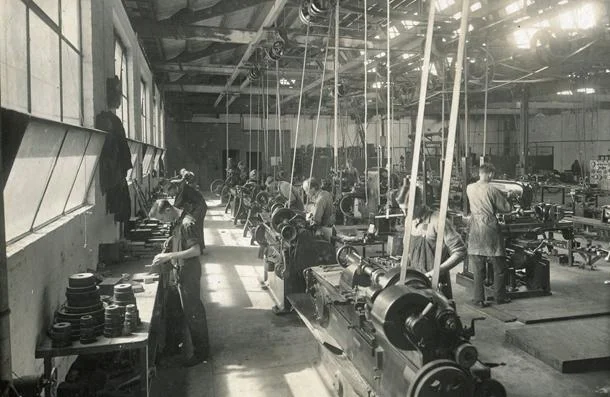
That period of growth did not last in the same form. From the 1960s, power tools became more popular, changing demand for traditional hand tools. Overseas manufacturers also grew more competitive, putting pressure on Australian firms facing production costs and changing technology. Some businesses shut down; others were bought by overseas companies. Over time, much of the local hand tool industry disappeared.
By the end of the twentieth century, large-scale production of traditional hand tools had mostly given way to imported products. The shift was more than a change in what appeared on shop shelves: it marked the decline of an industry that had once helped supply the needs of builders and tradespeople across the country.
Skills carry on in smaller workshops
Australian toolmaking did not end with that decline. Small manufacturers and individual craftspeople kept making tools, often drawing on traditional designs and experience gained through practical work. More recent interest in hand woodworking and traditional tools has created room for a new generation of Australian makers.
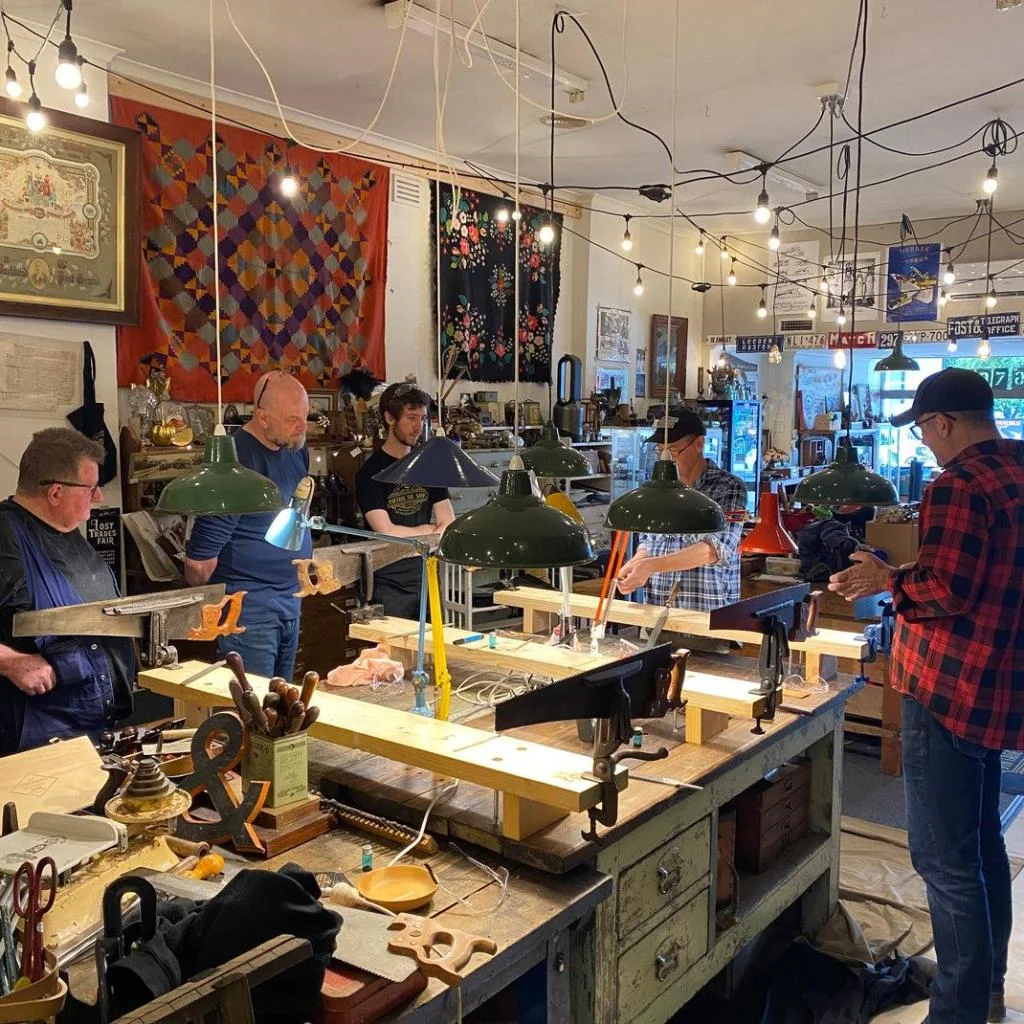
The scale has changed, but the craft still links design, material choice and careful handwork. A maker who shapes a wooden handle or forms a plane is working with a tradition that stretches back to the colony’s first shortage of dependable tools. The modern workshop may serve a smaller market, yet the central task remains familiar: make equipment that works, and keep the knowledge behind it in use.
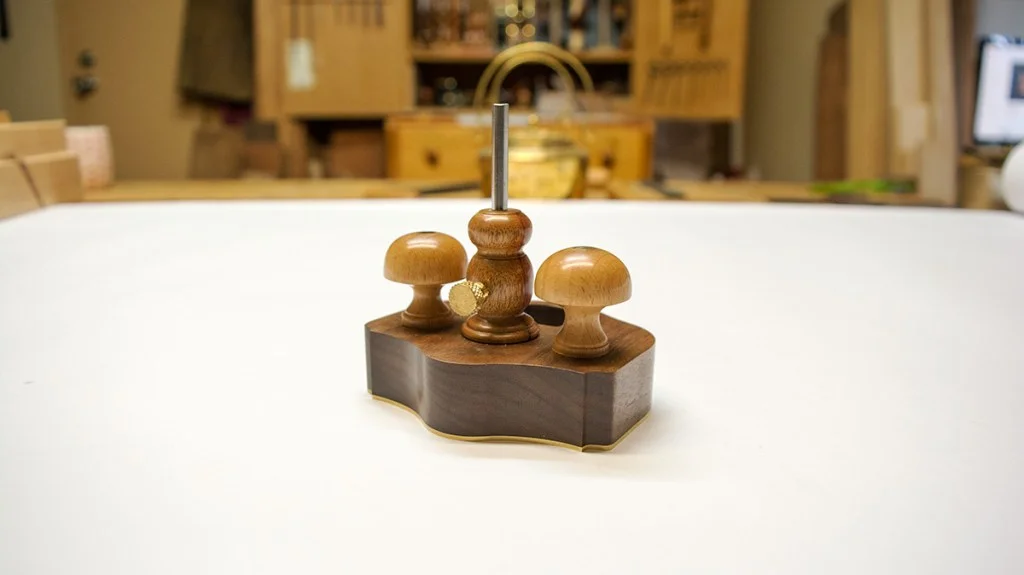
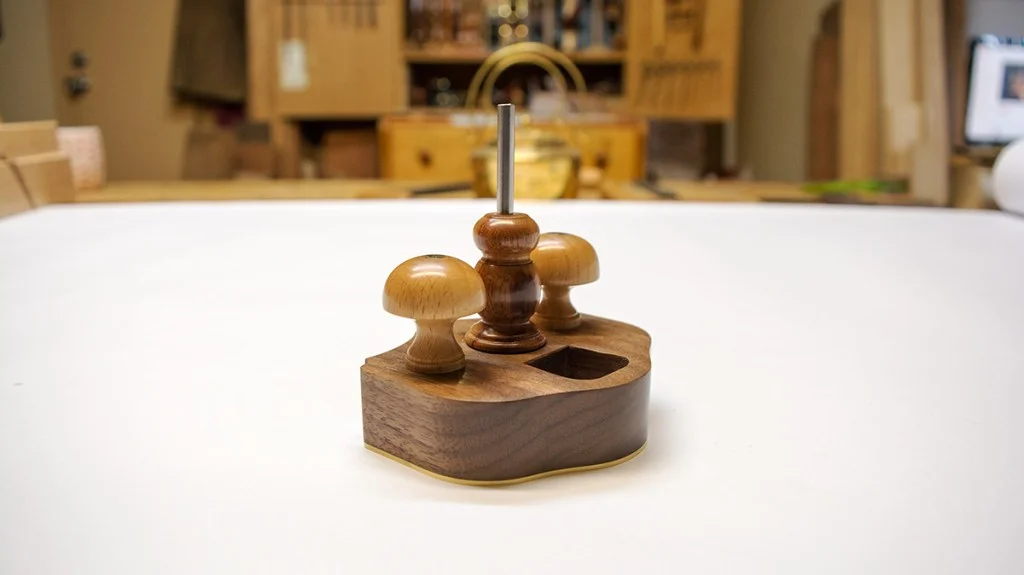
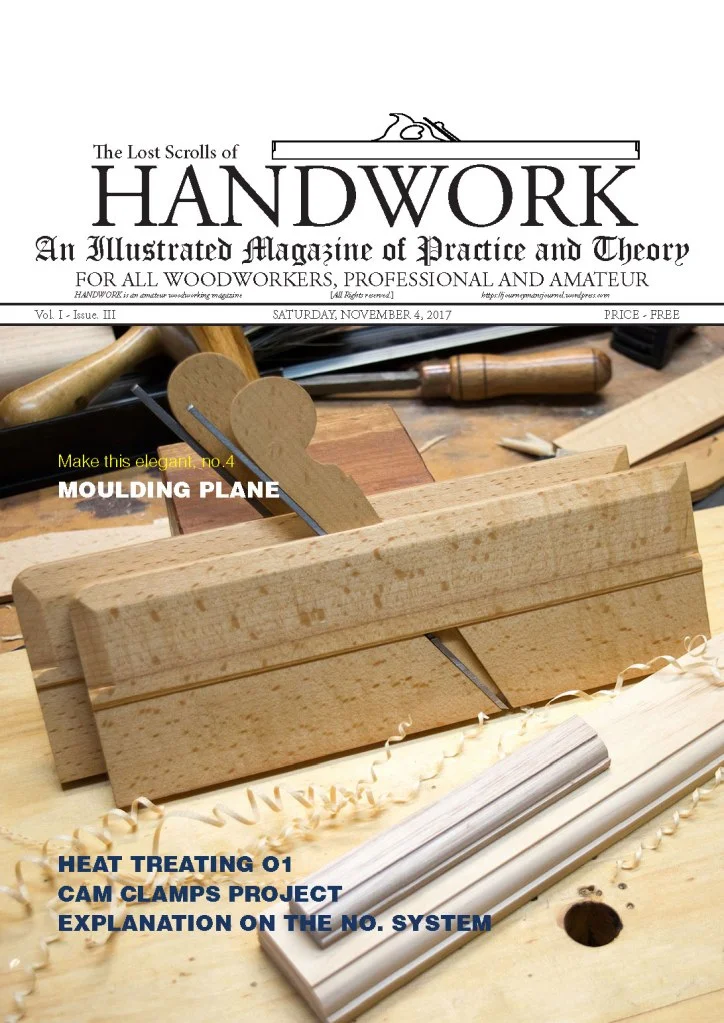
That continuing practice is visible in the handmade examples shown here, including a small router plane made by Salko Safic and moulding planes made by the article’s author.

Australian toolmaking may no longer supply the country on its former scale, but its skills remain with the makers who build, adapt and pass them on. Each handmade tool gives those methods a place in current practice—and keeps the tradition at work.