Sample No. 0025
Create a Stunning Miniature Quilt: Explore the "Finding Balance" Project
Discover the intricacies of Ann Marston's "Finding Balance" quilt, a beautiful 15-inch square project featuring 900 fabric pieces and impressive techniques.

Unveiling "Finding Balance"
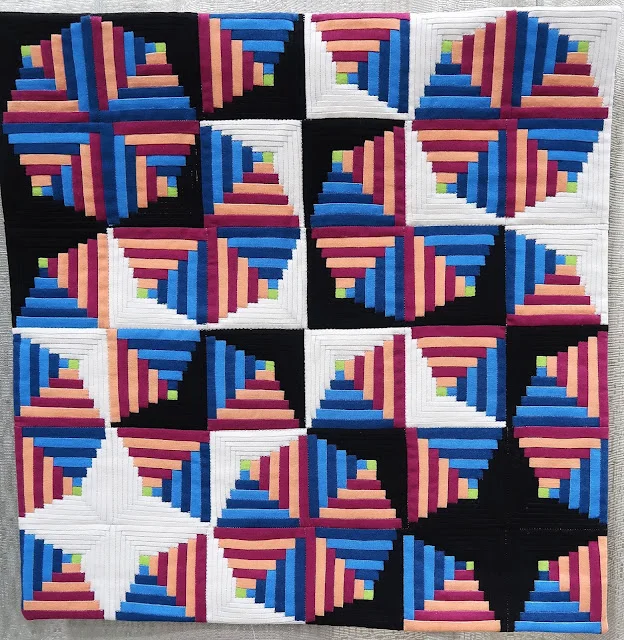
"Finding Balance" is not just another quilt—it's a carefully crafted miniature work of art that measures a delightful 15 inches square. Designed by Ann Marston from West Orange, New Jersey, this quilt showcases the incredible beauty and complexity that comes from combining tiny log cabin blocks into a cohesive piece. With a staggering 900 pieces of fabric used, this project beckons quilters with a knack for detail and a love for intricate design.
Understanding the Design
The essence of the quilt lies in its utilization of off-center log cabin blocks. Each block creates a sense of movement, thanks to the contrasting color values that interplay to give the illusion of curves. The carefully arranged blocks not only captivate the eye but also challenge the quilter to think critically about color and placement. This project highlights how small changes in color or arrangement can significantly alter the perception of the finished quilt.
Materials Needed
To embark on creating "Finding Balance," you'll require specific materials that contribute to its stunning visual appeal:
- Quilt fabric: Approximately 900 small pieces, including a mix of light and dark fabrics to enhance contrast.
- Foundation paper for paper piecing, which is crucial for maintaining accuracy in the small blocks.
- Cutting mat and rotary cutter for precise cutting of each fabric piece.
- Basic quilting tools: rulers, needles, thread (preferably a color that blends well with your fabric choices), and a sewing machine appropriate for quilting.
- Backing fabric and batting for the quilt sandwich during the quilting process.
Skill Level and Techniques
This project is suitable for intermediate to advanced quilters due to its intricate piecing and attention to detail. If you are familiar with foundation paper piecing, you’ll find this quilt an engaging challenge. Each block consists of 25 individual pieces, so patience and careful sewing are paramount.
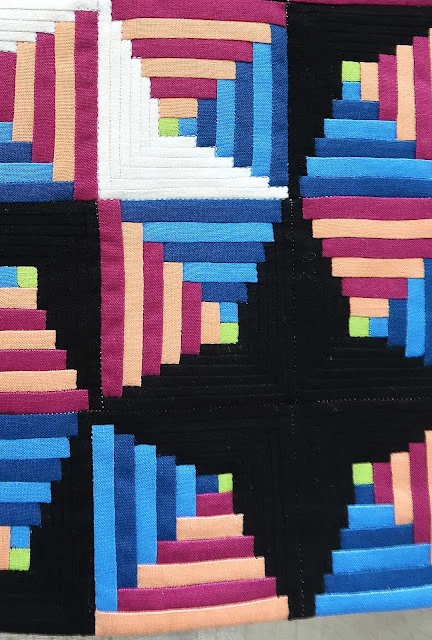
Here’s what to keep in mind while working on this quilt:
- Precision is key: Small mistakes can become magnified in miniature quilts, so be meticulous in your cutting and stitching.
- Take your time: Rushing can lead to misalignments; enjoy the process of piecing each log cabin block.
- Color selection: The balance of light and dark fabrics is critical to achieving the desired visual effect. Test your fabric choices by laying them out before committing to the sewing process.
Construction Steps
To successfully assemble the quilt, follow these steps in order:
- Prepare the foundation: Cut the foundation paper to the correct sizes for each block as per your quilt design.
- Cut the fabric pieces: Ensure all fabric pieces are cut accurately according to your design requirements.
- Begin piecing: Using the foundation paper piecing technique, start sewing each block together, ensuring to remove the paper once you finish each section for clean lines.
- Assemble blocks: Once all blocks are complete, lay them out to verify how they fit together before securing them into rows.
- Quilt the layers: Once the quilt top is assembled, layer the batting and backing fabric, then quilt it using a domestic machine, taking care to follow the lines of the log cabins for an elegant finish.
- Add finishing touches: Trim any excess fabric from the edges, and consider binding your quilt with a contrasting fabric for a polished look.
Acknowledging Talent
Ann Marston’s skillful work has earned recognition, taking home Second Place in its category at the 2025 QuiltCon show held in Phoenix, Arizona. Her dedication to the craft and the quality of her work are evident in "Finding Balance," which illustrates the impressive results achievable through perseverance and attention to detail.
Inspiration from Your Sewing Room
Miniature quilts like "Finding Balance" vividly demonstrate how fabric choices and technical abilities can come together to create something truly remarkable. Whether you are aspiring to elevate your quilting skills or simply seeking a new challenge, this project is an inspiring avenue to explore personal creativity while honing your quilting techniques.
For those interested in exploring similar projects or seeking inspiration, keep an eye on community resources like the North Jersey Modern Quilt Guild, where quilters share ideas, patterns, and support.
Happy quilting!