Sample No. 0154
Four Beginner Serger Picks for Neat Seams on Knits and Wovens
Compare four beginner friendly sergers, then learn which thread setup to choose, how to tame seams, and how to thread and use your machine safely.
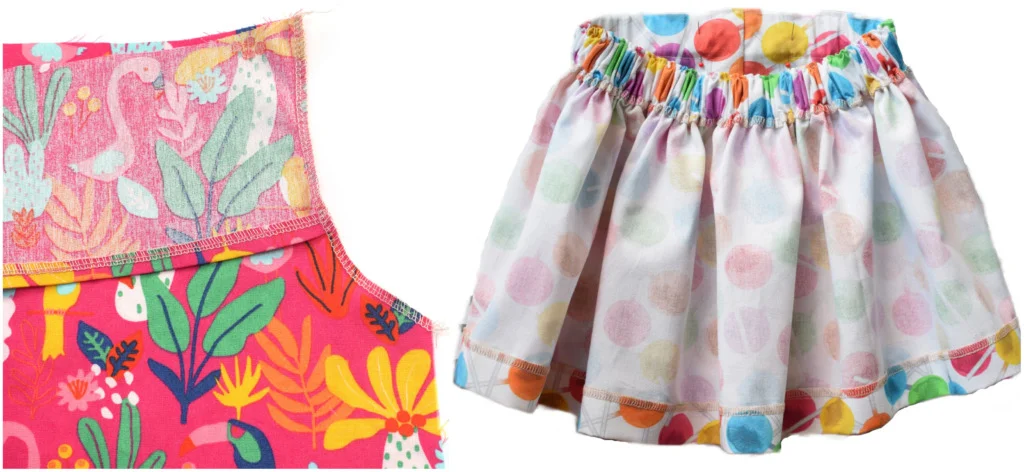
A serger can trim fabric, stitch a seam, and wrap its raw edge in one pass. That makes it especially useful for stretchy knits and fraying wovens, where a regular sewing machine can leave seams that need extra finishing. The four machines here range from approachable first sergers to sturdier choices for heavier materials.
Each model has a different strength: the Brother 1034D is a well supported budget pick, the Brother ST4031HD adds a metal frame and extension table, the Singer X5004-HD offers several thread configurations and an enlarged blade, and the Juki MO-654DE brings a faster, quieter build. Your fabric choices and preferred seam finishes will help narrow the field.
Four machines at a glance
| Model | Best for | Thread options | Maximum speed | Standout feature |
|---|---|---|---|---|
| Brother 1034D | Budget pick | 3 or 4 | 1,300 stitches per minute | Large online tutorial library |
| Brother ST4031HD | Modern step up | 3 or 4 | 1,300 stitches per minute | Metal frame and extension table |
| Singer X5004-HD | Heavy fabric flexibility | 2, 3 or 4 | 1,300 stitches per minute | 60% larger cutting knife |
| Juki MO-654DE | Heavy duty performance | 2, 3 or 4 | 1,500 stitches per minute | Industrial style build and quiet operation |
What a serger adds to your sewing room
A conventional sewing machine makes a stitch with a top needle thread and a bobbin thread. A serger, also called an overlocker, uses three or four threads from cones. Needles and two loopers interlace the threads around the fabric edge, while a blade trims that edge just before the needles stitch.
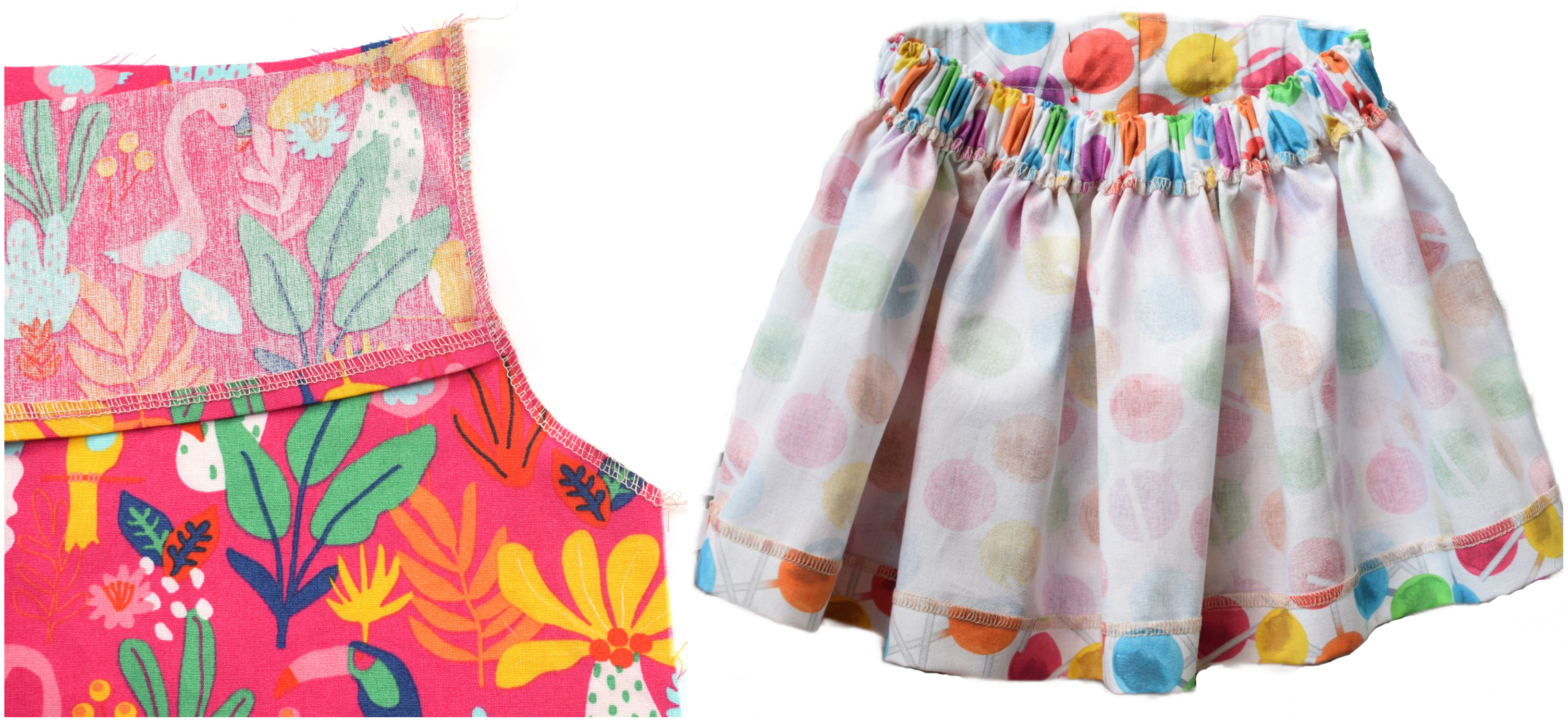
That combination makes sergers useful for garment construction and edge finishing. A four thread overlock seam stretches with knit fabric, helping seams hold when a shirt or leggings are pulled on. Sergers also work quickly; the models in this guide reach 1,300 to 1,500 stitches per minute. On wovens such as linen, rayon, and denim, the wrapped edge helps keep the fabric from fraying inside the garment.
Choosing among the four models
Brother 1034D: approachable and widely documented
The Brother 1034D is a longstanding starter recommendation. The source writer reports using one since 2015 and describes it as reliable, forgiving, and straightforward to troubleshoot. Its broad online tutorial and forum presence can be useful when a threading or tension question comes up.
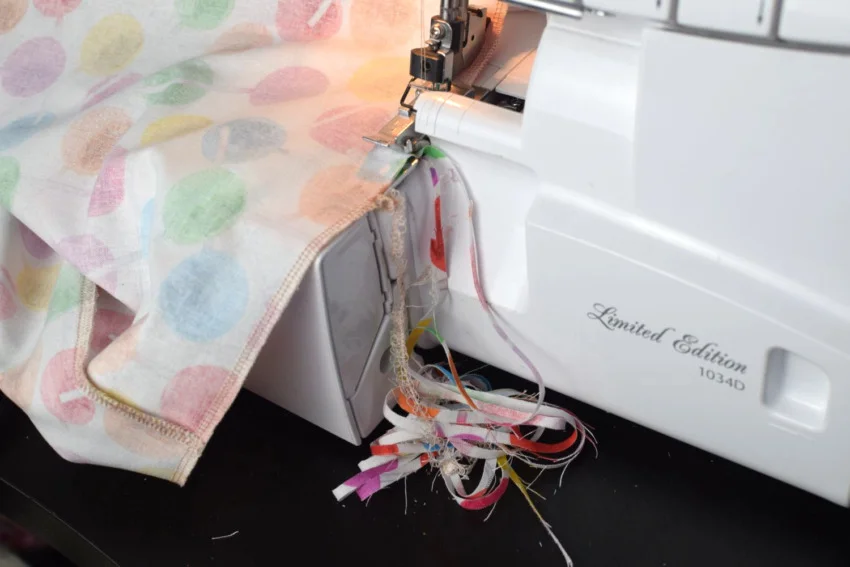
- Thread setup: 3 or 4 threads
- Differential feed ratio: 0.7 to 2.0
- Stitches: 4 thread overlock, 3 thread overlock, narrow hem, and rolled hem
Color coded lay in threading, easy to find replacement parts, loopers, and needles, and tolerance for everyday cotton, jersey, and fleece are its main advantages. Its plastic outer casing can vibrate and sound loud on a light desk, and it doesn't offer a 2 thread option for very lightweight fabric.
Brother ST4031HD: extra support for bulky projects
The Brother ST4031HD Strong & Tough costs close to the 1034D, with a reinforced metal interior frame and a wide extension table included. The table supports large or bulky pieces such as curtains, coats, and fleece as they feed through. The machine reaches 1,300 stitches per minute.
- Thread setup: 3 or 4 threads
- Differential feed: Yes
- Dimensions: 12.99 x 14.37 x 17.01 inches
- Included feet: Wide extension table, blind stitch foot, gathering foot, and standard foot
The frame helps limit vibration, while the cutting blade is intended to manage denim and canvas. The tradeoffs are a larger footprint than the 1034D and no 2 thread option for a flatlock or rolled hem.
Singer X5004-HD: more thread choices and a larger blade
The Singer X5004-HD combines a heavy duty metal internal frame with 2, 3, and 4 thread stitching. Its upper blade is 60% larger than the knives on standard home sergers, a feature aimed at thick denim, canvas, and home decor fabric. It runs at up to 1,300 stitches per minute, with dual LED lights over the work area.
- Stitch options: 8 built in stitches, including rolled hem, flatlock, and mock safety seam
- Included accessories: All purpose foot, tweezers, spreader for 2 thread stitches, needles, spare lower knife, lint brush, scrap catcher bag, and accessory storage inside the cloth plate
The 2 thread setup allows fine rolled hems with less bulk, and the lights make it easier to see the threading paths and needle eyes. The supplied scrap bag catches trimmings. Expect to spend time learning the lower looper threading, which uses tweezers, and note that the heavier machine takes more effort to carry to a class.
Juki MO-654DE: quiet, fast operation
The Juki MO-654DE is a compact home machine with an industrial style build. It accepts 2, 3, or 4 threads and reaches 1,500 stitches per minute. The source describes it as smooth and quiet, with a heavy duty knife drive for layered canvas, denim, and batting. It stays planted on a table and is noted for consistent stitching.
Its threading paths are tighter, so the manual deserves close attention while learning the machine. It also has a higher entry cost than the Brother and Singer options.
Match thread count to the fabric and finish
- Four thread overlock: Two needles and two loopers form a strong, stretchy seam. This is the workhorse choice for constructing knit garments.
- Three thread overlock: One needle and two loopers finish raw edges on woven trousers, dresses, and skirts. It doesn't offer the same seam strength as a four thread stitch.
- Two thread overlock: One needle and one looper, used with a looper converter clip, make a lighter edge finish. This can suit fine fabrics such as voile, rayon challis, or silk.
For everyday jersey, knitwear, and basic wovens, a 3 or 4 thread model such as either Brother covers the listed needs. For sheer clothing or formalwear, a 2, 3, and 4 thread machine offers more options. The Singer X5004-HD and Juki MO-654DE have those configurations. The source's buying guide also names the Singer ProFinish, though its model comparison focuses on the X5004-HD.
Thread and needle supplies
Sergers use thread quickly, so small sewing machine spools can run out during a project. Choose large serger thread cones, typically 3,000 yards each, wound to feed upward without catching on a spool lip at high speed. A beginner set can include four cones of off white or light gray and four black cones. The source recommends light gray thread as a useful match for many mid tone fabrics.
Check the machine manual before buying needles. Some sergers use standard household needles such as HAx1 / 130/708H; others take a specialized system such as ELx705. The wrong system can cause skipped stitches and may bend the lower looper. For knits, use ballpoint or stretch needles to help avoid cutting the fabric loops.
Adjustments and habits that help
Use differential feed to control the fabric
Two sets of feed dogs sit beneath the presser foot. The differential feed dial changes how quickly the front set moves fabric compared with the rear set. If knit seams come out wavy or stretched, increase the setting to 1.5 or 2.0; the front feed dogs move more fabric under the foot and help keep the knit flat. If lightweight fabric puckers or gathers, try 0.7 or 0.8 to pull the fabric taut.
Change colors by tying on the new thread
- Snip the old threads near the cones and place the new cones on the spool pins.
- Tie each new thread tail to its old thread with a clean square knot.
- Raise the presser foot to release the tension discs, then pull the threads through one at a time.
- When a knot reaches a needle eye, cut it away and thread the needle by hand. Pulling a knot through the eye can break it.
Secure thread tails and protect the blades
Sergers don't sew in reverse, so secure the chain at the end of a seam. One method is to serge about an inch beyond the fabric, leave a tail about 3 inches long, and weave it back into the chain with a blunt tapestry needle. You can also apply a little clear fabric sealant, let it dry, and trim the chain close. If another seam will cross the edge, that later seam can hold the threads in place.
Keep pins away from the serger's path. The fast moving blade can cut one, damaging the upper or lower knife; a strike can also affect timing or break a needle. Place pins well left of the seamline, or use sewing clips and remove them before they reach the presser foot.
Care and common fixes
A regular sewing machine still has a place beside a serger. Sergers handle seam construction and edge finishing, but they can't make buttonholes, install standard zippers, topstitch, or sew in reverse.
Fabric lint builds up as the serger trims edges. Brush the looper area after every project or two. If the manual calls for oil, add a drop of clear sewing machine oil to the specified moving joints every few weeks of regular use, then sew test scraps to catch stray droplets.
Skipped stitches often point to a dull, bent, or poorly seated needle. Push needles fully into the clamp before tightening the screws. If thread snaps, inspect the upper guides: thread can slip out of the mast clips or wrap around the spool holder base.
For a first serger, the choice comes down to the fabrics you sew and the finishes you want. A 3 or 4 thread machine covers many everyday garment projects; 2 thread capability adds options for fine edges. A few practice runs on scraps will help you learn the threading, tension, and feed settings before you start on a finished garment.