Sample No. 0153
Best Fabric Scissors for Sewing: Five Shears for Clean, Accurate Cuts
Compare five fabric shears by blade length, handle, and best use, then learn how to choose, care for, and sharpen them.
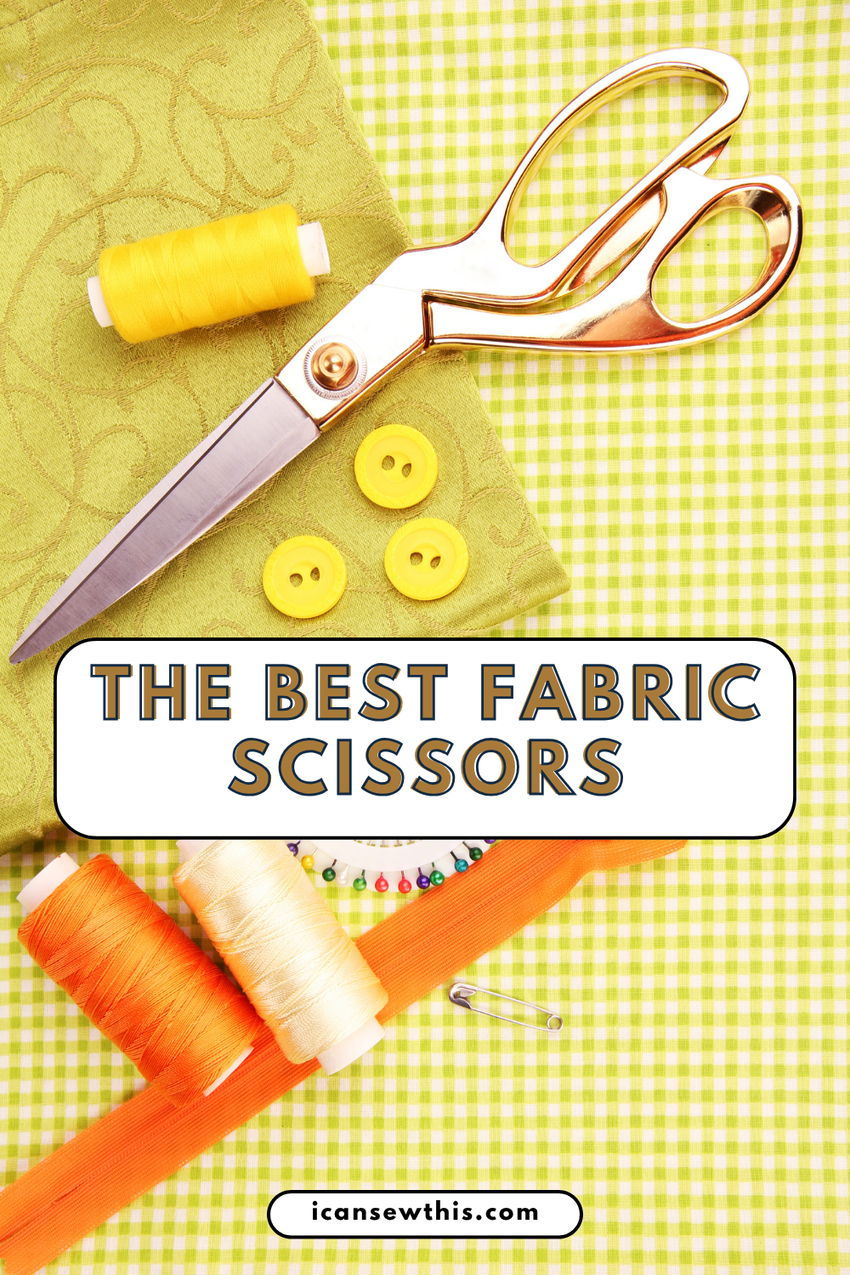
Clean fabric cuts start with shears that suit the material and the person holding them. Dull blades can snag slippery rayon, chew through linen, or leave a rough edge along a seam allowance. The right pair helps pattern pieces stay accurate and makes long cutting sessions more comfortable.
These five options cover a range of needs, from resharpenable forged steel to spring-assisted shears for tired hands. Blade length, weight, handle shape, and the fabrics you cut most often are the useful details to compare before choosing.
Five fabric shears at a glance
- Gingher 8″ Knife Edge: An heirloom style option with forged chrome steel, a traditional bent metal handle, and an 8-inch blade.
- Fiskars 8″ RazorEdge: An everyday precision choice with an 8-inch blade, SoftGrip handle, and smooth pivot.
- Singer 8.5″ Comfort Grip: A budget friendly basic with an 8.5-inch blade and rubberized ambidextrous handle.
- LIVINGO 9.5″ Heavy Duty: A longer, contoured option with titanium-coated forged blades for thick layers.
- Fiskars 10″ Easy Action: Spring-assisted shears with a bent handle, designed to reduce fatigue during cutting.
Scissors or shears?
The names are often used interchangeably, but the tools have different shapes. Scissors are generally 6 inches or shorter, with two similarly sized finger rings. They’re handy for trimming seam allowances, clipping thread tails, and snipping curves. Shears are usually 7 inches or longer, with a smaller thumb ring and a longer lower handle that accommodates several fingers.
Many fabric shears have a bent handle: the lower blade lies flat against the cutting surface while the handle angles upward. That shape lets you cut across a table without lifting the fabric, helping keep it flat and the cut line true.
For more sewing equipment ideas, see the best sewing machine for beginners and these beginner sergers.
Five shears for different sewing needs
Gingher 8″ Knife Edge Dressmaker’s Shears
Gingher’s forged high-carbon chrome steel gives these shears a solid feel and the weight to help carry a cut through dense fabric. The knife-ground lower edge is designed to cut cleanly right to the tip, useful when a line needs to finish neatly rather than fray or snag at the end.
The all-metal construction can be professionally resharpened repeatedly, and a fitted leather sheath protects the tips in storage. The tradeoff is weight: these may tire wrists during long cutting sessions, and the unpadded metal loops can press on sensitive fingers.
- Best for: Everyday garment sewing, tailoring, woven fabric, and denim.
- Strengths: Edge retention, balanced weight, resharpenable construction, and clean cutting to the tip.
- Consider: Their weight and hard finger loops may be uncomfortable for some makers.
Fiskars 8″ RazorEdge Fabric Scissors
The RazorEdge pairs a specially honed blade with a heavy-duty pivot screw. Its SoftGrip touchpoints cushion the fingers while keeping the handles controlled around curves. That combination makes it a versatile choice for pattern cutting and fabrics such as knits, quilting cotton, and rayon.
A hard blade sheath protects the edges between projects. These shears are lighter than forged metal models, which some people may prefer for extended cutting, though they may provide less momentum through heavy wool. The plastic handles can also feel restrictive if you have wide fingers.
- Best for: Pattern cutting, knits, quilting cotton, and rayon.
- Strengths: Smooth pivot action, cushioned grip, and protective sheath.
- Consider: The lightweight feel and handle fit may not suit every hand or heavy fabric.
Singer 8.5″ Comfort Grip Dressmaker Shears
Singer’s Comfort Grip shears offer a straightforward option for a sewing station or shared craft space. The stainless steel blades are treated to resist rust and scratches. Wider rubberized red-and-white loops provide a cushioned hold, and the handle design works for both right- and left-handed users.
They’re suited to beginner projects, basic crafts, and light to medium cottons and linens. The blades aren’t as easy to resharpen as high-carbon steel shears, and cutting through more than three thick layers of heavy denim may be difficult.
- Best for: Beginner sewing, basic crafts, and lighter fabrics.
- Strengths: Affordable, cushioned, and suitable for either hand.
- Consider: They’re not the best fit for repeated cutting through thick stacks.
LIVINGO 9.5″ Professional Tailor Heavy Duty Shears
These longer shears are built for makers who regularly cut canvas, upholstery, heavy fleece, or denim. Their high-density stainless steel blades have a multi-color titanium coating, which helps resist rust and adhesive buildup from materials such as fusible interfacing or basting tape. The longer blades provide leverage for stacked layers and long straight cuts.
The tradeoff is maneuverability. A 9.5-inch frame can feel awkward around small notches and tight curves, and its bulk takes up room in a compact tool kit.
- Best for: Heavy fabrics, multiple layers, fleece, canvas, and bag making.
- Strengths: Leverage, long straight cuts, and a coating that resists rust and adhesive residue.
- Consider: The length and bulk can be cumbersome for detailed work.
Fiskars 10″ Easy Action Bent Handle Shears
A built-in spring opens the blades after each squeeze, reducing the effort needed for repeated cuts. The elevated bent handle helps keep the fabric flat on the table, while the squeeze-to-lock slide keeps the blades closed for storage.
These features can help during long cutting sessions or when hand and wrist discomfort makes standard shears hard to use. Expect to get used to the spring tension, and allow extra space in a shallow drawer or tool tray because the mechanism makes the shears bulkier.
- Best for: Extended cutting, joint pain, and flat tabletop work.
- Strengths: Spring-assisted opening, a flat cutting profile, and a sliding lock.
- Consider: The spring takes practice, and the tool needs more storage room.
Choosing shears for your work
Weight: Heavier forged shears can use their momentum to cut through tough fibers and steady the hand. That same weight can tire hands with less strength. Lighter shears with composite handles may be easier to manage over a long session.
Handle comfort: Rigid metal loops offer direct control, but may press against the thumb or fingers. If you cut often, cushioned touchpoints or a spring-assisted mechanism can make the grip more comfortable.
Blade length: An 8-inch blade balances speed on straight cuts with control around armholes and necklines. Blades from 9.5 to 10 inches suit long cuts across curtains, bedding, or wide skirts, though they may feel clumsy on small garments.
Handedness: Many shears are shaped for right-handed use. With that blade arrangement, the upper blade sits on the left, keeping the marked line in view as the hand presses the cutting edges together. Ambidextrous handles may improve grip for left-handed makers, but true left-handed shears reverse the blade overlap so the cut line stays visible and the blades maintain proper tension.
Keep the blades in good condition
- Reserve them for fabric. Paper’s wood pulp and mineral fillers can dull a fine edge. Label your shears or tie a bright ribbon to the handle so they’re easy to identify.
- Wipe them after use. Synthetic fabric and fleece can leave lint, while moisture can affect the blades. Use a clean microfiber cloth to wipe them down.
- Oil the pivot. Once or twice a year, place a tiny drop of clear sewing machine oil on the pivot screw. Open and close the shears a few times, then wipe away all excess before cutting fabric.
- Store them closed. Keep shears in a sheath or dedicated tray. A fall onto a hard floor with the blades open can nick the edge or knock the pivot out of alignment.
Sharpening and common signs of wear
If the blades stop cutting cleanly through the last half-inch of the tip, push fabric forward, or fold thin fabric between them, they may be dull. The pivot tension may also need adjustment.
Although shears can cut paper in a pinch, it’s best to avoid it. Abrasive fillers in paper can wear a finely honed edge, leaving it more likely to snag silk or knits later. Basic utility shears can sometimes be sharpened with a rotary gadget, but high-end knife-edge models are better taken to a professional knife and scissor sharpener. Professional sharpeners use wet stones at precise factory bevel angles, preserving blade life without removing unnecessary metal.
Choose a pair that matches your most common fabrics and feels manageable in your hand. Sharp, comfortable shears make accurate pattern pieces easier to cut and help them fit together neatly.
Let’s keep in touch! You can find me on Facebook, Instagram, and Pinterest.
The post The best fabric scissors for clean and accurate cuts appeared first on I Can Sew This.