Sample No. 0150
10 Adult Sewing Kits for Making Quilts, Bags and More
Choose a hand-sewing or machine project, from sashiko coasters to a reversible bag, with kit details, finished sizes and time estimates.
A well-chosen sewing kit can make the first steps feel manageable: the materials are gathered, many pieces are already cut, and the project has a clear finish line. These 10 options range from portable hand stitching to machine-sewn bags, quilts and an apron. They suit different interests and experience levels, so you can choose by the skills you want to practice, the time you have and whether you want to use a sewing machine.
Pick a project by time and tools
For a short hand-sewing session, the WOOLIGANSdiy felt slippers take 60 to 90 minutes, while each EmbroLucy coaster takes about an hour. Machine projects include the compact MergeFabricAndCrafts zippered bag, estimated at one to two hours, and the PetiteCocoCrafts apron, which takes two to three hours. Longer makes include the 3 to 5 hour hexagon pouch and the weekend heart quilt.
Four kits are listed as entirely hand-sewn: the ClothandFable pouch, EmbroLucy coaster sampler, SLOWSTITCHERY cabin and WOOLIGANSdiy slippers. The Indigoloom wallet is mostly sewn by hand. The other five projects call for a sewing machine. Finished sizes range from 4-inch square coasters to a 24″ x 22″ mini quilt; some listings describe the finished item without giving dimensions.
Hand-sewn projects for a slower pace
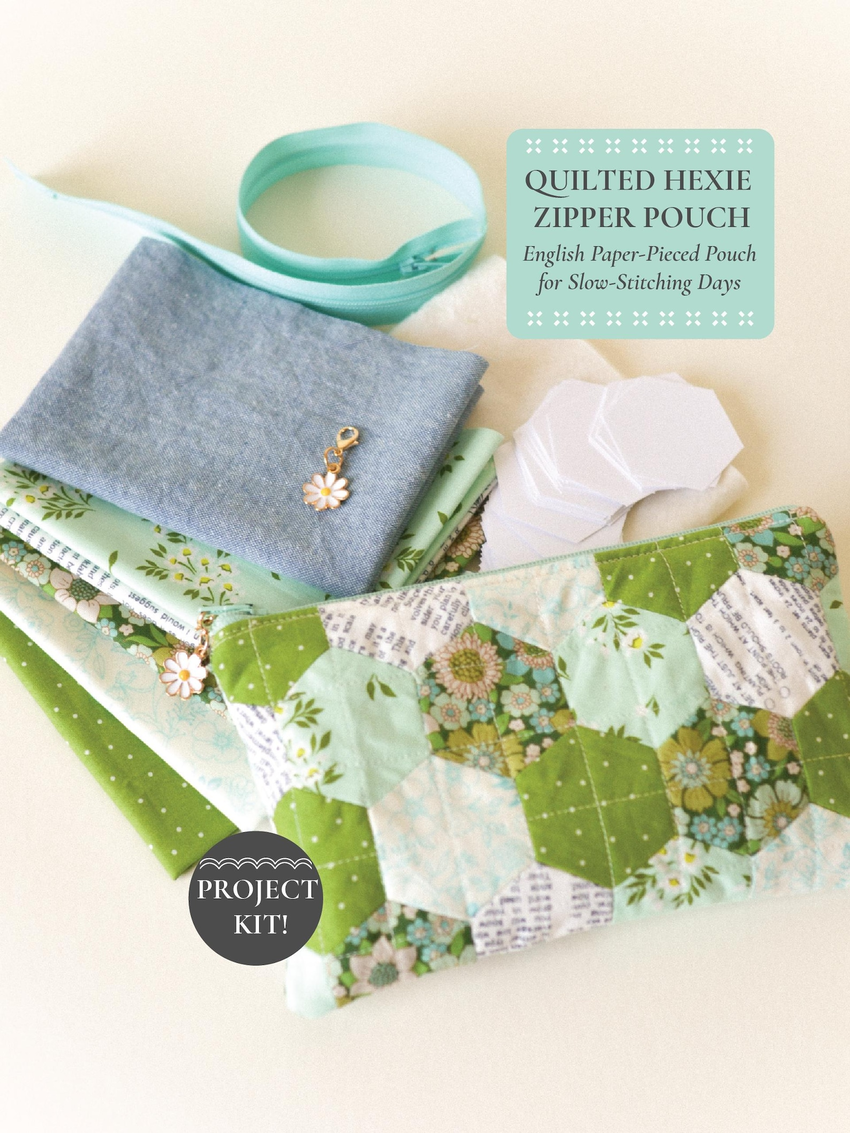
Quilted hexagon zipper pouch by ClothandFable
This 5″ x 7″ pouch combines English paper piecing with a practical zipper finish. The kit includes exterior and lining fabrics, batting, 44 paper hexagon templates, a color-coordinated zipper, a printed pattern and a daisy zipper pull charm. The hand-sewn construction makes it easy to work on in short sessions; allow 3 to 5 hours. It’s a good choice if you want to practice piecing and tackle a zipper without a machine.
Sashiko shell wallet by Indigoloom
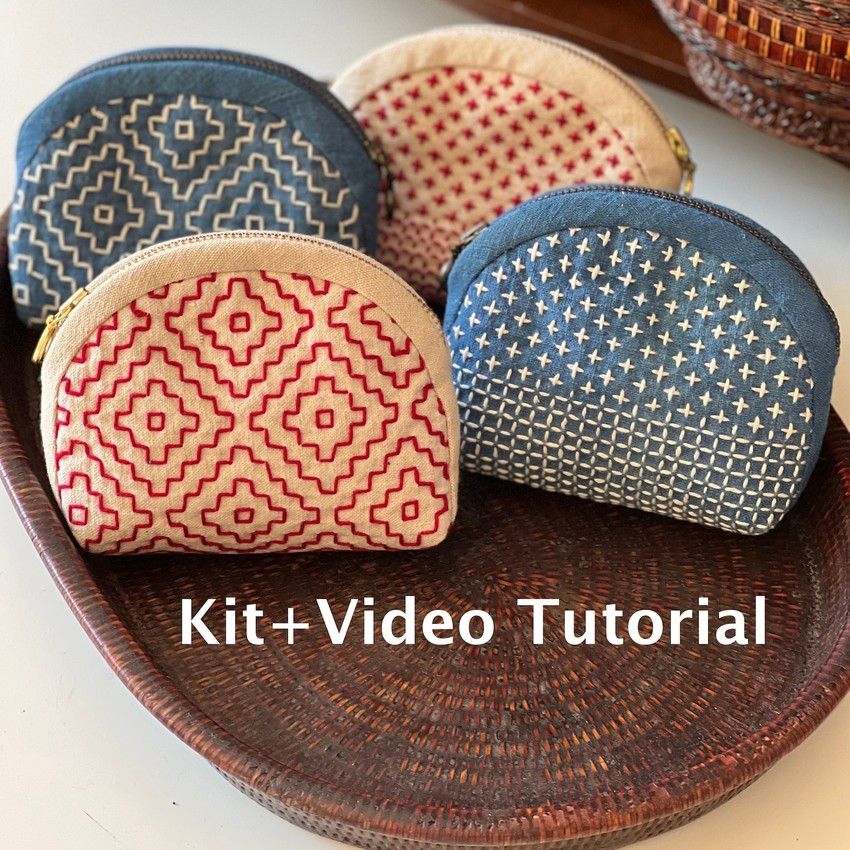
Indigoloom’s shell-shaped wallet uses vintage cotton and traditional sashiko stitching. You can choose indigo fabric with beige thread or beige fabric with red thread; both printed patterns are included. The persimmon flower design is described as especially approachable for beginners. About 60% to 70% of the assembly is done by hand, and an English-language video tutorial runs 70 minutes, with guidance on fitting the zipper and lining. Allow 4 to 6 hours. The finished wallet has no visible exterior seams.
Sashiko tea coaster sampler by EmbroLucy
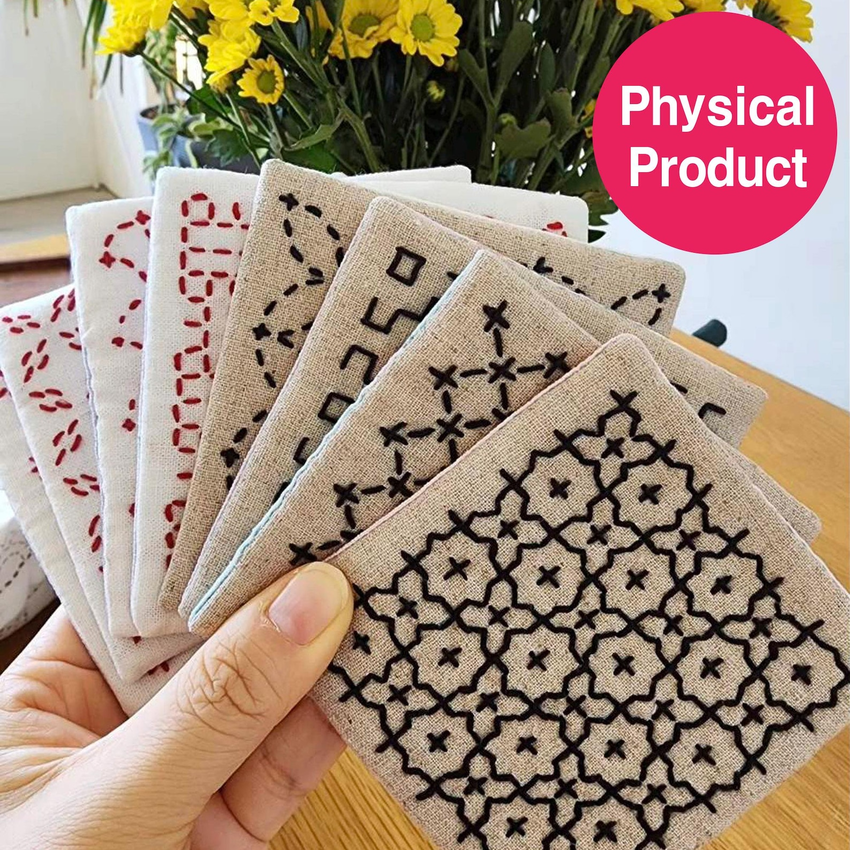
This set includes eight fabric panels, each 4″ x 4″, printed with geometric and floral designs. Water-soluble ink marks the stitching paths; rinse the finished piece in cool water to remove the blue guidelines. Each coaster takes about an hour, and no machine is needed. The stitched panels can also become accents for zipper pouches or cushions.
Red roof cabin slow stitch kit by SLOWSTITCHERY
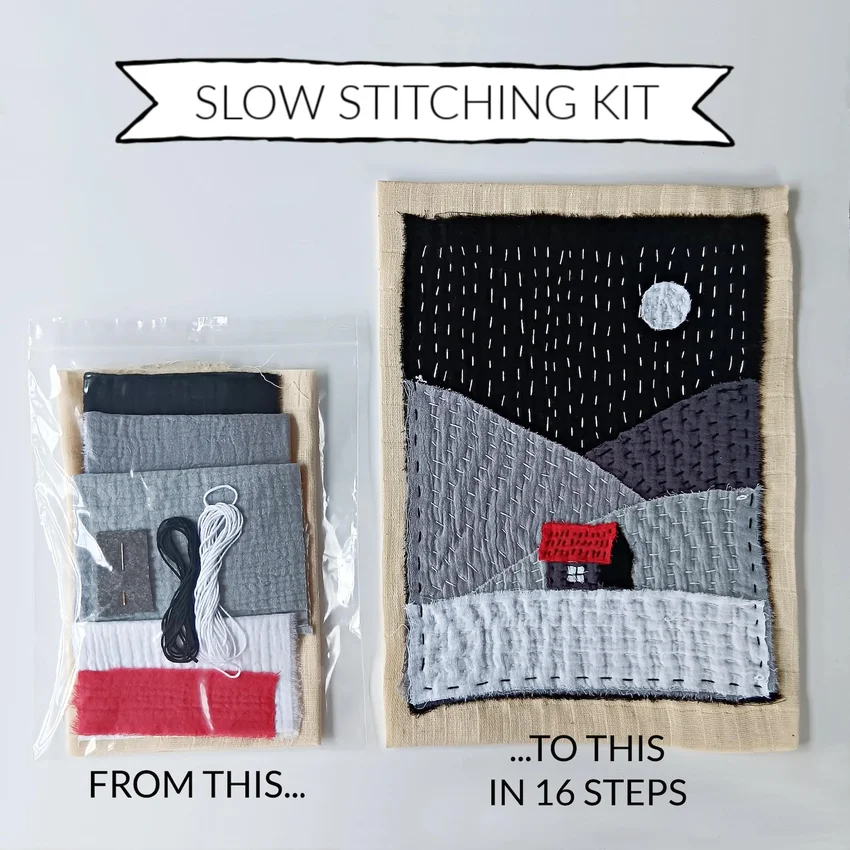
For an open-ended textile project, this kit makes an 8″ x 12″ scene of a cabin with a red roof. It includes soft double gauze muslin fabrics, intended for hand stitching. The design welcomes individual choices in stitch and placement instead of asking for rigidly precise seams, making it suitable for beginners and experienced hand-sewists. Plan on 3 to 5 hours; the finished piece can be framed or hung.
Felt slippers by WOOLIGANSdiy
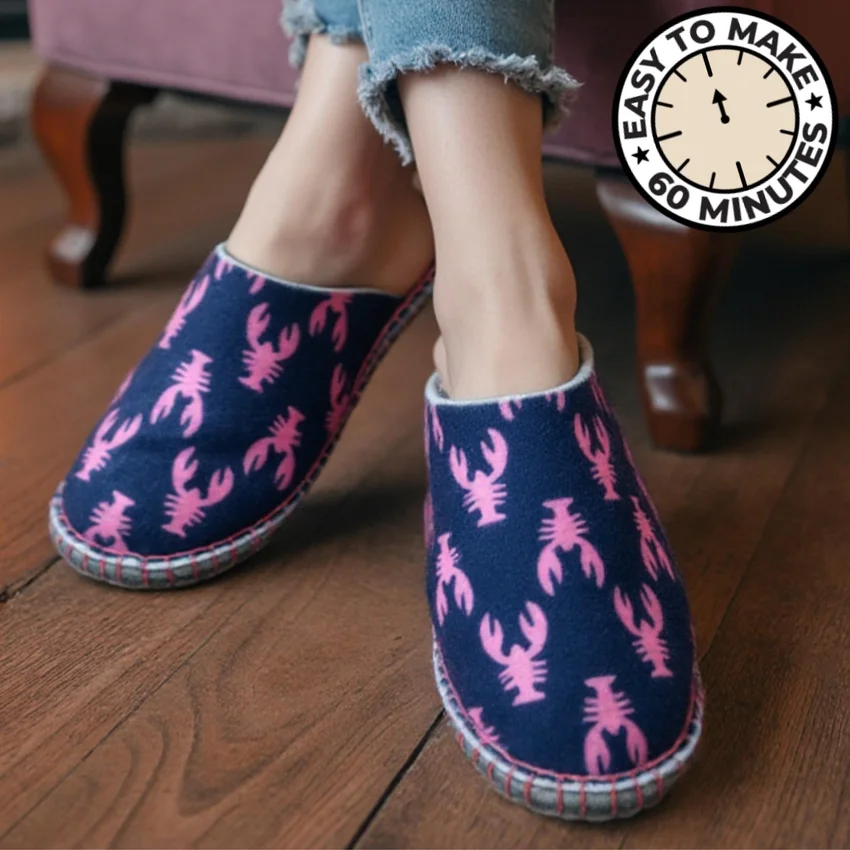
The slipper kit is designed to be sewn by hand, with bright pink felt and a playful lobster motif. Pre-cut panels and pre-punched stitch holes take measuring and cutting out of the project. The box includes thread, a needle, printed instructions and a QR code linking to a step-by-step video. Allow 60 to 90 minutes for a pair of adult slippers.
Machine-sewn projects with guided construction
Heart mini quilt by SewDangEasy
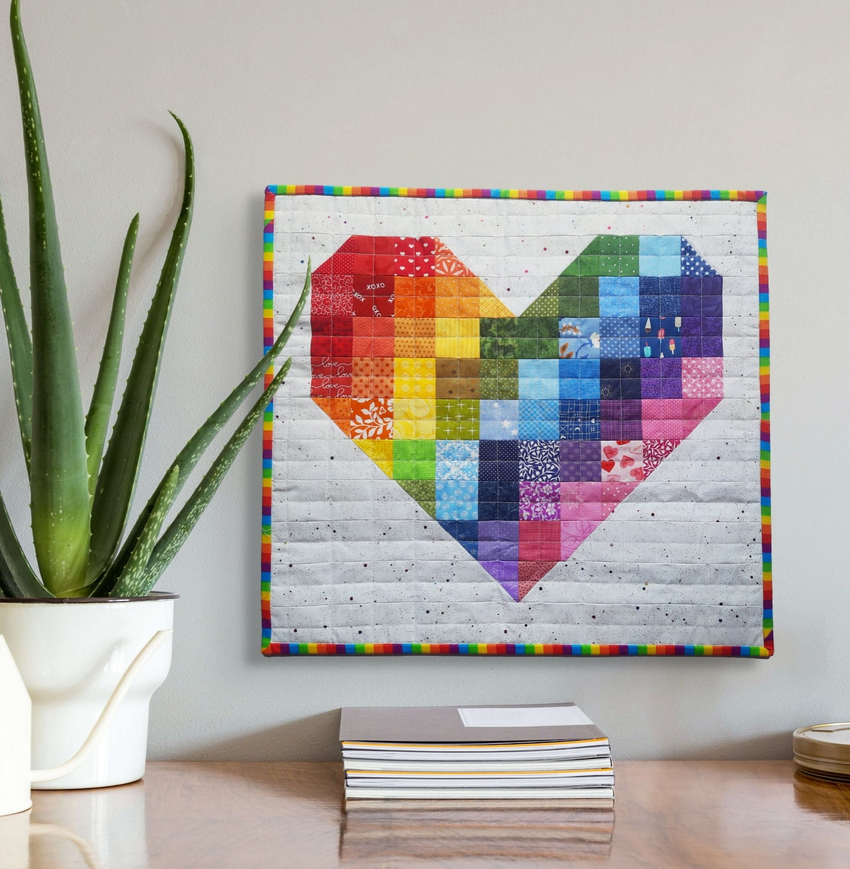
This 24″ x 22″ quilt is sized for a wall or window display and is intended as a weekend project. It comes with pre-cut 2.5″ squares selected from more than 100 designer prints, including Art Gallery, Moda and Ruby Star fabrics. Backing fabric, batting, binding and a printed tutorial are also included.
Quilter’s Grid interfacing helps organize the piecing: arrange and iron the squares onto the grid, then sew the rows in continuous lines. You’ll need a sewing machine, basic thread, an iron and a rotary cutter or scissors. The pre-cut squares and grid make this a useful first quilting project.
Vintage apron craft box by PetiteCocoCrafts
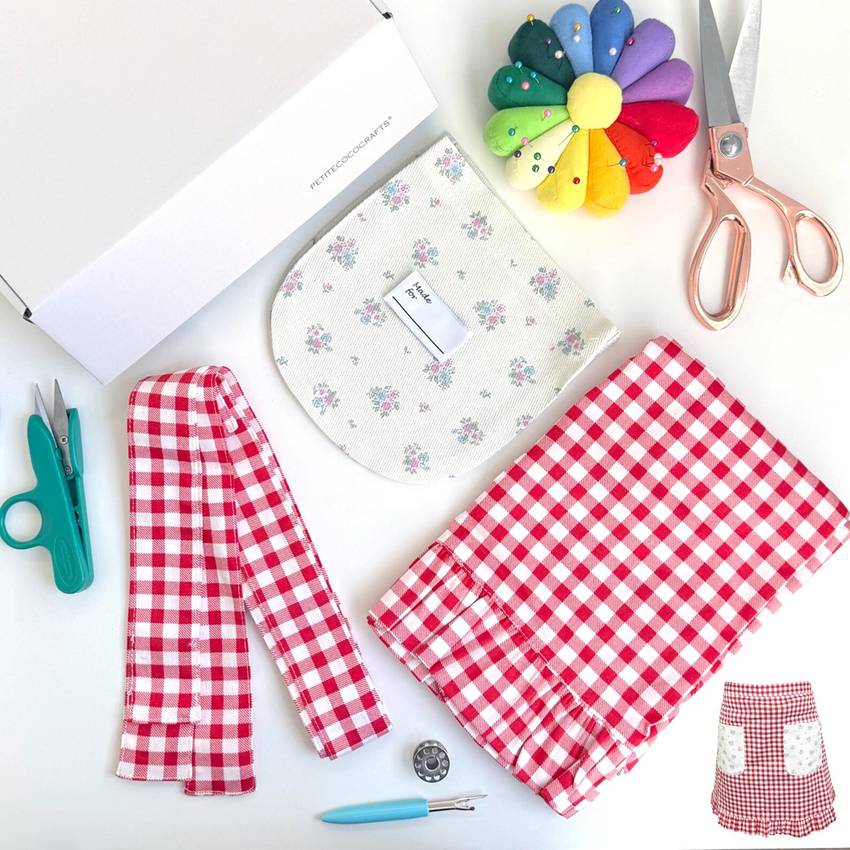
This Level 1 kit is aimed at first-time machine sewists. The main apron body is partially pre-sewn, reducing the amount of assembly required. The box includes vintage-inspired plaid fabric, contrasting floral pocket pieces, trim, an instruction card and a “Made for ___” fabric label. You can adjust strap length and pocket placement to suit your preferences. It requires a sewing machine and takes 2 to 3 hours; the finished item is an adult apron.
Scrappy patchwork dog by KiriousDesignCo
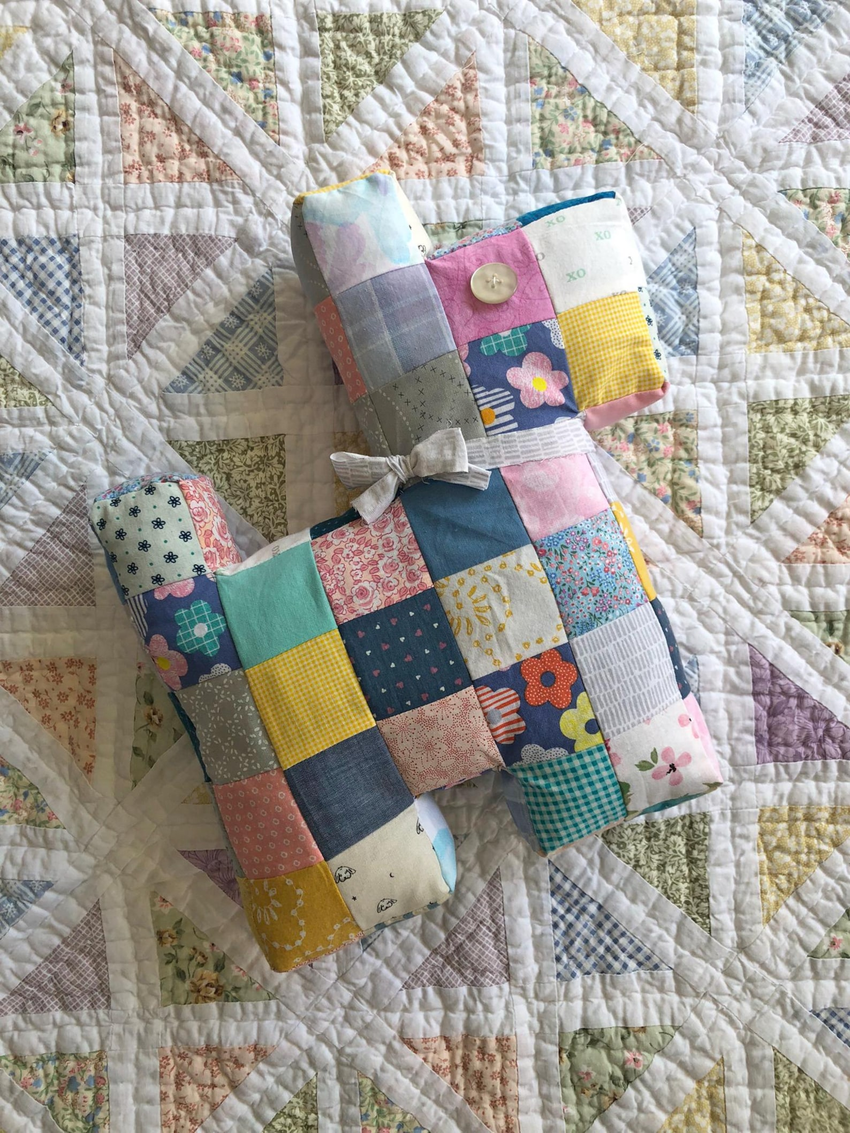
Turn 84 pre-cut 2.5″ mini charm squares into a stuffed patchwork dog. KiriousDesignCo mixes vintage and designer prints, so the fabric arrangement gives each finished pup its own look. The kit includes the printed pattern, squares, ribbon, buttons and an iron-on patch. You’ll also need a sewing machine, basic thread, an iron and polyester stuffing. The project takes 3 to 4 hours and makes a playful gift or a nursery display piece.
Reversible hobo bag by VonsKraftCorner
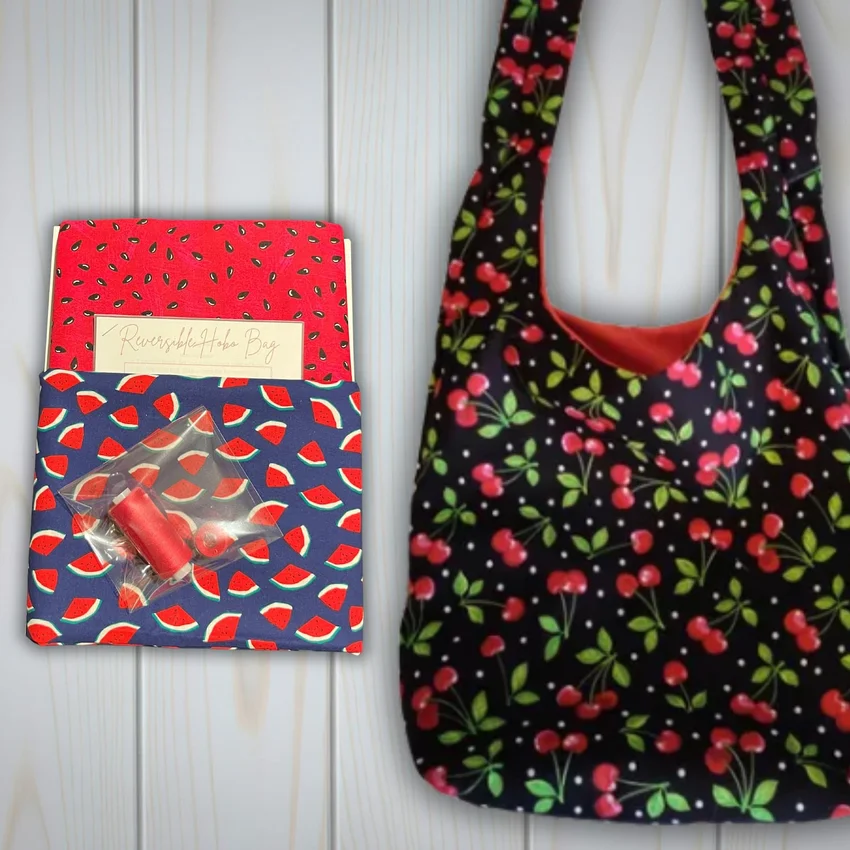
This everyday bag measures 13″ high by 14.75″ wide, with a 20″ strap drop. The kit contains 2 full yards of cotton fabric, coordinating thread and a pre-threaded bobbin. A cardstock pattern template and photo booklet help with assembly; QR codes link to video tutorials and extra printable files. You’ll need a sewing machine. Allow 2 to 3 hours, with options to add details such as pockets or snaps.
Complete zippered bag by MergeFabricAndCrafts
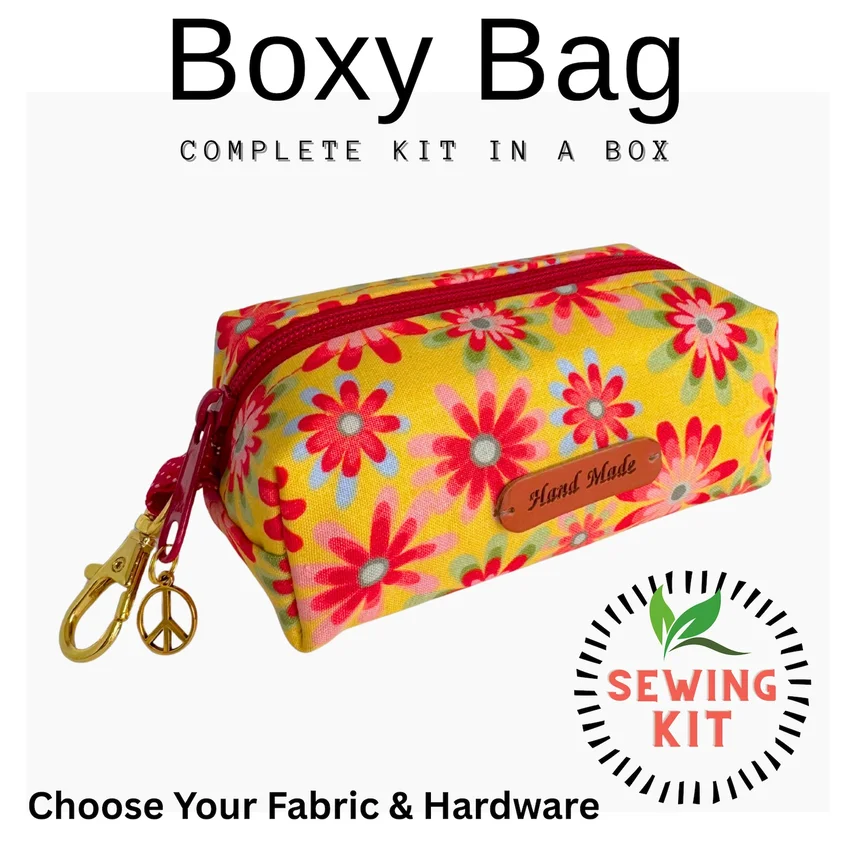
This small, lined and interfaced bag measures 5.5″ x 2.75″ x 2″. Its side tabs hold a swivel hook at one end and a D-ring at the other. Choose a fabric combination and hardware finish from the shop’s options; the kit arrives with the fabric cut, plus a matching zipper and interfacing. It requires a sewing machine and takes 1 to 2 hours. The compact scale makes it a contained way to practice zipper construction.
Set up for a smoother finish
If your kit includes a video or QR code, watch the full tutorial before you begin. This gives you a chance to see the order of construction and how the maker handles the fabric. For machine projects, test a few stitches on scrap cotton and check the tension on both sides before sewing into the kit’s main pieces. Press seams as you go; the iron helps flatten bulky layers and gives bags and quilts a tidier finish.
When comparing kits, check which tools and materials are included and which you’ll need to supply. The machine projects may call for items such as thread, an iron, scissors or a rotary cutter, and the dog needs polyester stuffing. Hand-sewn kits provide a way to start without setting up a machine. Pre-cut pieces, pre-punched holes, video instruction and partially sewn sections can all reduce the number of tricky steps.
Choose the finish you’ll enjoy making
For a portable project, try the pouch or coasters; for a first machine-sewn accessory, the apron and zippered bag offer clear, useful results. Quilters can start with pre-cut squares and grid interfacing, while the cabin kit leaves room for a more relaxed, personal approach. Match the project to your available time and tools, then follow its instructions in order. A manageable first make is a good way to build confidence for the next one.