Sample No. 0031
Create Your Own Stunningly Imperfect Quilt with the Drunkard's Path Technique
Explore the beauty of improvisational quilting with Lisa Hofmann-Maurer's "Perfectly Imperfect" quilt, showcasing the Drunkard's Path design.

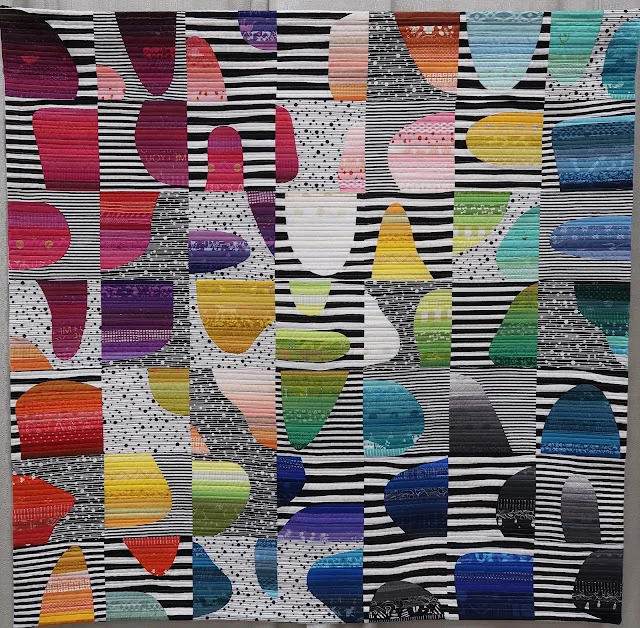
Embrace the art of improvisational quilting with the "Perfectly Imperfect" quilt created by Lisa Hofmann-Maurer from Zurich, Switzerland. This stunning piece plays on the Drunkard's Path block, a traditional pattern typically known for its precise curves and structured design. However, Lisa takes a refreshing approach, proving that a delightful quilt can emerge from a focus on creativity and spontaneity rather than strict adherence to rules.
Understanding the Drunkard's Path Block
The Drunkard's Path block is characterized by its rounded shapes and intricate curves, offering many opportunities for design and color experimentation. It is often composed of two shapes: a quarter circle and a square. Traditionally, this block calls for exact measurements and skilled piecing to achieve the desired curve. Lisa's approach, however, presents a way to bypass some of these constraints, inviting quilters of all skill levels to explore their creativity.
Getting Started: Materials and Tools
To create your version of "Perfectly Imperfect," gather the following materials:
- Fabric: Use a variety of fabrics from your scrap bin. The beauty of this quilt comes from mixing different values and prints. You'll need a minimum of 2 yards of fabric to start, but feel free to use more as you develop your quilt.
- Rotary cutter and mat: Essential for cutting your fabric shapes accurately.
- Quilt ruler: Helps ensure your cuts are straight and precise.
- Sewing machine: You’ll need a reliable machine capable of piecing curves smoothly.
- Longarm quilting machine (optional): Lisa used a longarm machine for quilting, but you can also quilt using a domestic sewing machine if that's what you have.
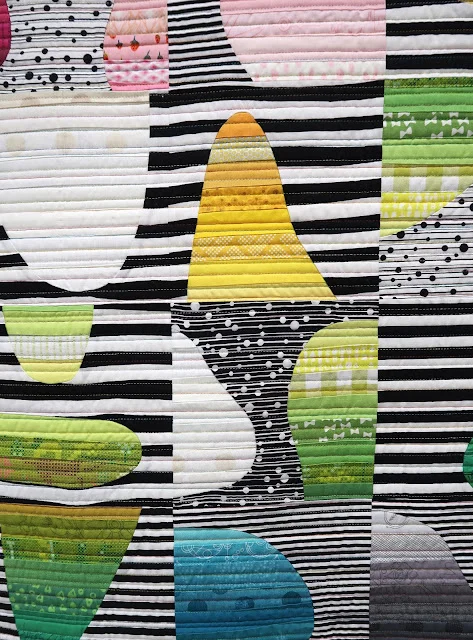
- Thread: Various colors for matchstick quilting. Lisa chose colors that contrast with the fabric to add depth and dimension.
- Iron and ironing board: A key step in making precise, flat seams.
Steps to Create the Quilt
Follow these simplified steps to begin your own "Perfectly Imperfect" masterpiece:
- Cutting Your Fabrics: Start by cutting your fabric into the necessary shapes - both the quarter circles and square segments of the Drunkard's Path block. Don't worry too much about uniformity; the imperfections are part of the charm!
- Piecings the Blocks: Arrange your pieces on a flat surface to find a pleasing composition. Begin piecing your blocks together using a ¼" seam allowance. It may help to pin your pieces to ensure they stay aligned as you sew through the curves.
- Creating the Quilt Top: Continue sewing your blocks together until you achieve your desired quilt top size. Since this quilt is an improvisational project, feel free to rearrange and add blocks until you’re satisfied with the overall look.
- Quilting: Once your quilt top is assembled, layer it with batting and backing fabric. If you have access to a longarm machine, opt for matchstick quilting—a technique where lines are sewn close together—using different colors of thread. This will add texture and visual interest. Alternatively, simpler quilting techniques can be used on a domestic machine.
- Binding the Quilt: Finish the edges of your quilt with binding. You can use leftover fabric or a color that complements your quilt top.
Tips for Quilting Success
Here’s a few useful tips to keep in mind as you embark on your quilting journey:
- Don't be afraid to experiment. Improvisational quilting doesn't require perfection—embrace any small mistakes or irregularities as part of the design.
- Use a variety of fabric weights for added texture. Mixing quilt cottons with lighter or heavier fabrics can provide a more dynamic quilt.
- Stay organized as you work to avoid losing pieces, since this method often involves many shapes cut from various fabrics.
The Joy of Imperfection
Lisa Hofmann-Maurer beautifully encapsulates the philosophy behind improvisational quilting in her "Perfectly Imperfect" project. The joy of quilting comes not only from the finished product but also from the process itself—experimenting with color, structure, and design. So gather your scraps, let go of the notion of perfection, and channel your creativity into a stunning and unique quilt that tells your story through its curves and colors.
For more inspiration, visit Lisa's blog at sewwhatyoulove.com or follow her on Instagram @sewwhatyoulove, and share the journey of your own perfectly imperfect creations!
Image Credits: All photos are taken by Quilt Inspiration during the 2025 QuiltCon show in Phoenix, Arizona.